Everybody knows how the Pompeii story ends. Vesuvius blows, ash falls, people die. It’s one of history’s most famous disasters. It usually gets told the same way: a city frozen in time, caught off guard, no chance to run.
A new National Geographic series arrives tomorrow, July 22, and it pushes back on that version of events. “Pompeii: Out of Time with Tom Hiddleston” argues the people of Pompeii weren’t just unlucky victims of a surprise attack from a mountain. According to the show’s synopsis, many of them had time to get out. The show is less interested in how they died. It wants to know why so many of them didn’t leave when they could have.
A Different Way to Tell an Old Story
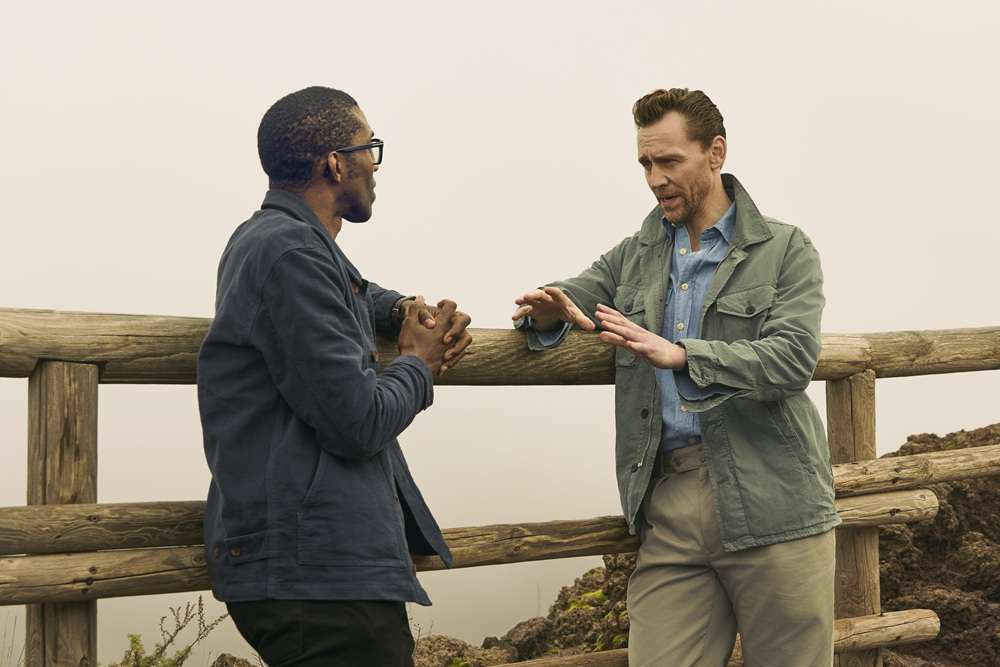
Tom Hiddleston hosts the three-part series. He’s teamed up again with Kevin R. Wright, who produced “Loki” with him. This isn’t a normal documentary. It mixes scripted scenes with real investigation, and it’s backed by archaeologists, historians, geologists, and disaster experts.
A plain documentary can feel like a lecture. A scripted drama can bend the facts to make a better scene. Mixing both is an attempt to get the pull of drama without losing the truth of real evidence. More shows are trying this lately. It only works when the research behind it can actually hold up the story being told, and it can backfire just as easily if the dramatization crowds out the evidence. That balance is the real test for a series built this way.
People, Not Just a Death Toll
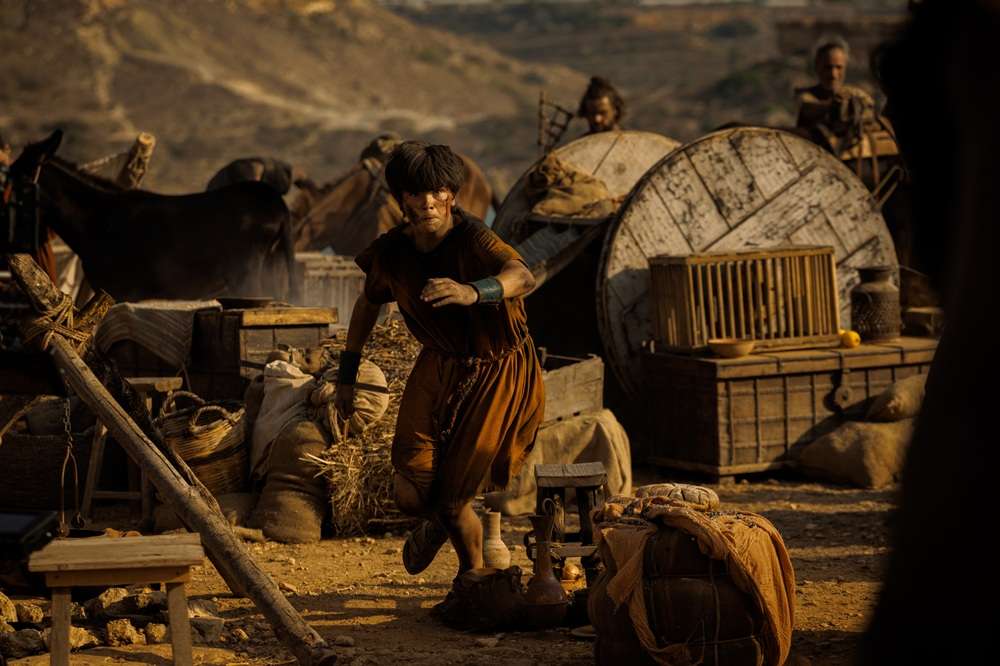
The series follows real people who were in Pompeii and nearby Herculaneum when Vesuvius erupted. There’s a teenage apprentice and a businesswoman named Julia Felix. Both are introduced in the first episode as the ground starts to shake. There’s a man named Avianius, trying to reach his mother once the eruption hits. And there’s a Praetorian Guard in Herculaneum whose role isn’t clear at first. Is he there to help people, or just to save himself?
Building the show around people instead of a body count works. A death toll is just a number on a page, but a person deciding whether to leave home, and who they owe that decision to, is a story you can actually follow from one choice to the next. Four people, four different situations, all facing the same mountain at the same time. That’s a lot more useful than another wide shot of ash falling on empty streets.
The Warning Signs Were There
The first episode is called “Tremors.” Vesuvius didn’t erupt out of nowhere. The ground shook first, and people felt it. But per the series, many of them kept going about their day anyway.
That should sound familiar. Think back to Hurricane Katrina or similar natural disasters in recent memory. People still brush off warning signs today, especially when leaving means giving up a home, a business, or a routine that still feels normal. The second episode, “Eruption,” picks up once the danger is impossible to ignore. It follows who gets out and who doesn’t. The third episode, “Survival,” covers the final and deadliest phase. It looks at what survival actually meant for the people caught in it.
Why This Framing Matters
The usual Pompeii story treats the people who died as passive. The mountain did something to them, and that was that. This series treats them as people who made choices. Some of those choices were good. Some weren’t. All of them were made under conditions nobody could fully prepare for.
It’s an uncomfortable and unique way to tell the story. It’s easier to accept a disaster as something that just happens to people than to admit part of it came down to choices made under pressure. But it’s probably closer to what actually happened in those hours before the mountain buried the city.
“Pompeii: Out of Time with Tom Hiddleston” premieres July 22 on National Geographic. All three episodes air the same day and will be avialable to stream on Disney+ and Hulu.
- Patching PHP Is Only Half the Job - October 21, 2026
- Why Your Home Address Is the Privacy Risk That Matters Most - October 21, 2026
- Sophos AI Defense Goes Looking for Shadow AI - October 20, 2026