For decades, the technology industry has been obsessed with building better digital mousetraps. We’ve spent billions on firewalls, encryption, and AI-driven endpoint protection, all while ignoring the giant, walking, talking vulnerability sitting in the swivel chair. The reality is that hackers don’t “break in” anymore; they “log in” using credentials handed to them by well-meaning but ill-informed humans.
We are currently witnessing a systemic failure in how we prepare people for a digital world. From the moment a child gets their first school-issued tablet to the day a retiree checks their pension balance, every individual is a target. This isn’t just a corporate problem; it’s a societal one. That is why I’ve been following the rise of Wizer, a firm that has cracked the code on making security training not just tolerable, but actually effective.
The Generational Vulnerability Gap
The genesis of Wizer is a lesson in observing the “weakest link” in its natural habitat. Gabriel Friedlander, the CEO and founder, didn’t start in a vacuum. He previously founded Observit to fight insider threats, eventually selling it to Proofpoint to become their DLP solution. But the real spark for Wizer came from his own home. He noticed his children were issued passwords in grammar school that were shared among peers and remained unchanged until high school. In a world where we teach kids to look both ways before crossing the street, we are effectively handing them the keys to a digital kingdom protected by a “password” that is literally the word “password.”
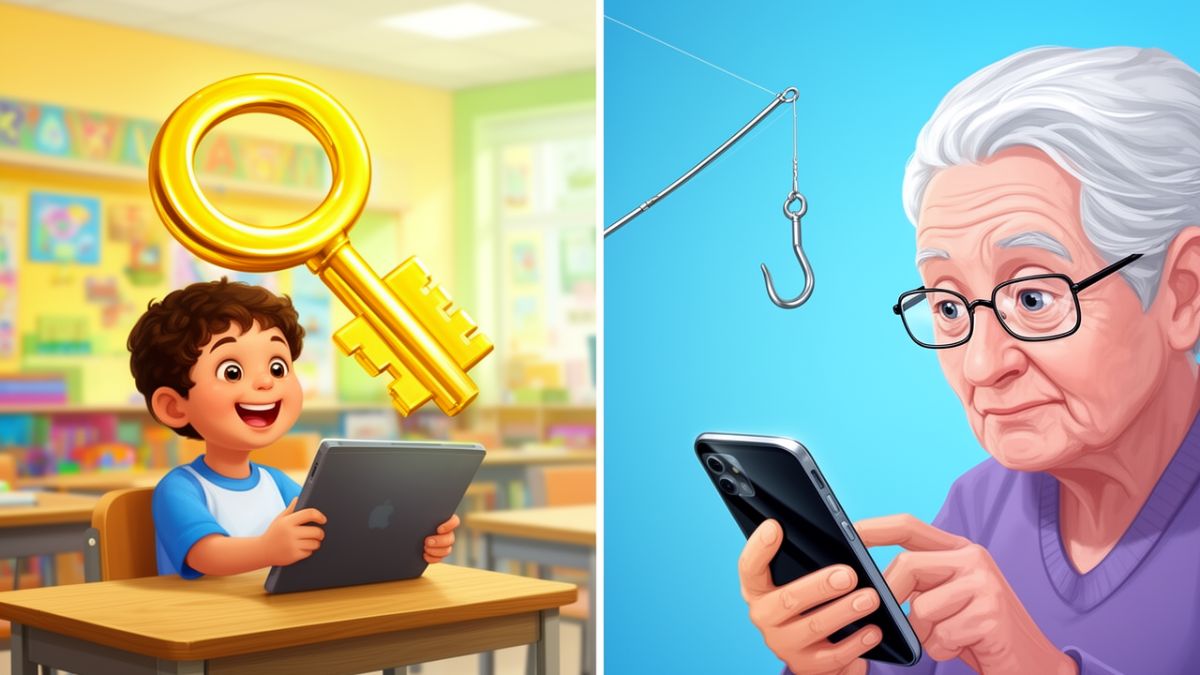
This problem extends across the entire human lifecycle. Children are being trained in bad habits before they even hit puberty. By the time they enter the workforce, those habits are calcified. On the other end of the spectrum, retired individuals are being hunted by sophisticated social engineering attacks that leverage their lack of technical literacy. In between, every size of school and company is struggling. The “human exploit” is the only vulnerability that scales perfectly from a primary school classroom to a Fortune 500 boardroom. If we don’t fix the user, the hardware doesn’t matter.
Why the Money is Moving Toward Wizer
It is no coincidence that the financial industry has become Wizer’s most aggressive adopter. In banking, trust is the only product you’re actually selling. If a customer’s account is drained because an employee fell for a “vishing” attack—where a hacker samples an IT person’s voice from a voicemail to impersonate them—the damage to the brand is catastrophic.
Financial institutions are currently the biggest fans of the platform because they operate under a microscope of regulation and extreme risk. They realized early on that a 45-minute annual compliance video is a waste of time. Wizer’s approach is different; it feels more like an app—specifically Duolingo—than a corporate lecture. The videos are short, punchy, and to the point. For an industry where time is literally money, the ability to deliver high-impact training in micro-bursts is the only way to ensure the information actually sticks.
The Power of Play: Simulations and Gamification
We have to stop pretending that humans learn through boredom. The most effective way to train a user is through experience, which is why simulations and gamification are the heart of the Wizer platform. Instead of telling someone about a phishing attack, Wizer uses “opt-in” simulations set up as a game. Employees are recognized for their speed of identification and reporting, turning security from a “gotcha” exercise into a competitive sport.
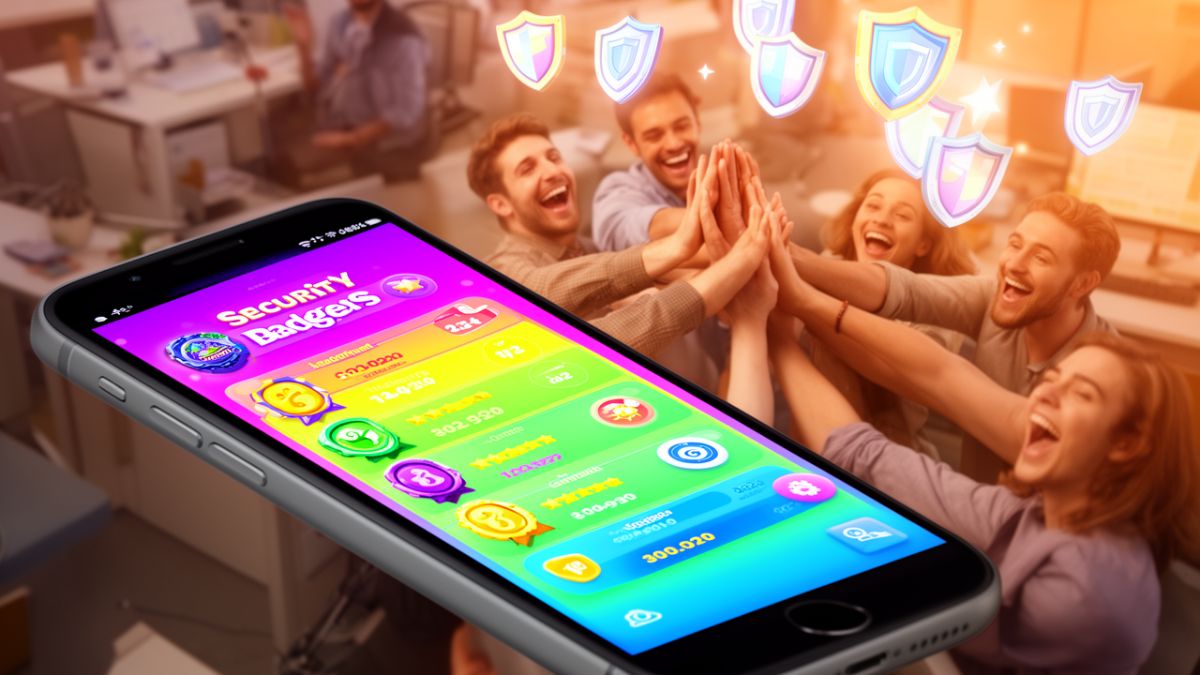
When you turn security into a game, you change the psychology of the employee. They stop being afraid of making a mistake and start becoming proud of their “score.” This shift is critical. In a traditional IT environment, users hide their mistakes because they fear the “Wall of Shame.” In a Wizer-enabled environment, they become an extension of the security team. This is particularly relevant given the rise of deepfake technology. When a hacker can sample a voice or even a face, the only defense is a user who is trained to recognize the subtle “tells” of a simulation. Wizer even offers playlists for parents to help bridge that generational gap I mentioned earlier, ensuring the training doesn’t stop when the laptop closes at 5:00 PM.
The Rise of the Security Awareness Manager
One of the most profound insights Gabriel Friedlander brings to the table is the necessity of the “Security Awareness Manager” (SAM). Historically, security training was a secondary task for a stressed-out IT admin who would rather be configuring a server. That is a recipe for failure. To build a true culture of security, you need a dedicated facilitator.
Interestingly, these managers don’t necessarily need to be “techies.” In fact, they shouldn’t be. What they need are extremely strong people skills. The job is about marketing, psychology, and persuasion. You are selling a behavior change to a distracted workforce. For smaller companies that can’t afford a full-time SAM, Wizer has innovated by offering a Security Awareness Manager service to act as that bridge.
The future of IT security is a shared responsibility model. You cannot secure a firm from the top down; you have to secure it from the inside out. This requires a “People Person” who can navigate the nuances of HR policies and corporate culture. If you can’t talk to people, you can’t protect them.
AI and the Future of Tailored Content
The most impressive new feature in the Wizer arsenal is the ability to generate custom training content on the fly using AI. If a company has a new policy on the use of AI, or a specific HR update, they can simply upload the document to Wizer. The platform will then generate a tailored video for that specific audience.

Imagine a successful or attempted attack happens on a Monday. By Tuesday, the SAM can upload a paragraph describing the attack and have a professional-grade video ready to train the entire staff on how to avoid that specific problem by Wednesday. This level of agility was previously impossible. It turns security training from a static, annual event into a dynamic, living defense system. This is likely why major players like Acronis have signed on as sales partners; they recognize that the “human firewall” needs to be updated as frequently as a virus definition file.
Wrapping Up
The era of blaming the user is over; the era of empowering them has begun. Wizer, led by Gabriel Friedlander’s vision of “Security for People,” has transformed a boring compliance requirement into a fast-growing, gamified platform that actually changes behavior. By focusing on short, punchy content, leveraging simulations, and emphasizing the need for Security Awareness Managers with high emotional intelligence, they are addressing the root cause of the majority of IT breaches. Whether you are a parent trying to protect your kids, a small business using Wizer’s SAM services, or a massive financial institution, the lesson is the same: the most important piece of hardware in your network is the human brain. If you aren’t training it, you aren’t secure.
- The Human Exploit: Why Wizer Is the Secret Weapon in the War for Your Digital Soul - January 29, 2026
- The Blue Screen of Death for Windows: Why AI is the Last Operating System You’ll Ever Need - January 23, 2026
- CES 2026: The Year AI Got Real, Lenovo Owned the Vision, and Memory Prices Broke the Bank - January 13, 2026