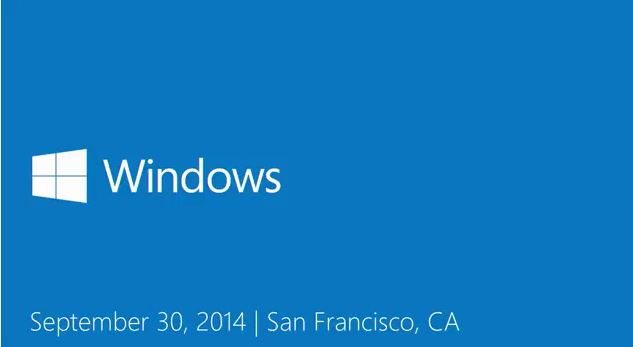
Microsoft officially unveiled Windows 10 on September 30, 2014, skipping Windows 9 entirely and announcing that a technical preview would be available for download starting October 1. Terry Myerson, then Executive Vice President of the Operating Systems group, described it as “the first step of a whole new generation of Windows” and said it would be “the best release Microsoft has ever done for our business customers.”
Why Windows 10 Was a Big Deal
Windows 8 had not gone well. Microsoft tried to unify the desktop and touch experiences under a single interface, and a lot of users — particularly business users — didn’t take to it. The Start menu was gone. The tile-based interface made sense on a tablet but felt awkward on a traditional PC. Adoption lagged, and Microsoft released Windows 8.1 as a partial fix, but it didn’t fully address the complaints.
Windows 10 brought the Start menu back — not exactly as it looked in Windows 7, but a hybrid version combining the traditional program list with Live Tiles. Microsoft also introduced snap multitasking that lets you run up to four apps side by side, and added virtual desktops — something power users had wanted for years. These were practical changes aimed squarely at the desktop and laptop crowd that Windows 8 had alienated.
The Windows Insider Program
Starting October 1, 2014, anyone could sign up for the Windows Insider Program and download the Windows 10 Technical Preview. This was different from how Microsoft had historically handled pre-release software. Preview builds had typically been limited to developers and IT professionals. With the Insider Program, Microsoft opened early access to everyday users and built in a feedback mechanism — a dedicated app — so that input could flow directly back to the development team.
The idea was that Windows 10 would be shaped in part by the people actually using it, not just finalized internally and shipped. Microsoft wanted feedback on features, performance, and usability before the final release — and it committed to releasing regular builds to Insiders throughout development.
What This Means for Windows Users
In 2014, Windows ran on well over a billion devices. Businesses had largely held on to Windows 7, skipping Windows 8 the same way many had skipped Windows Vista a few years earlier. Microsoft needed Windows 10 to be a release that organizations would actually want to upgrade to — not just one they’d tolerate.
Opening up early builds to the public was an acknowledgment that Microsoft needed to earn that trust back. Letting users test and weigh in before launch was a concrete step in that direction. Whether it would be enough to move enterprises off Windows 7 was still an open question in September 2014, but the early reception to the announcement was generally positive.
Microsoft posted the full Windows 10 event video to YouTube following the announcement:
Starting Wednesday, October 1 you will be able to check out Windows 10 for yourself by participating in the Windows Insider Program, and installing the technical preview version of the new OS.

- Patching PHP Is Only Half the Job - October 21, 2026
- Why Your Home Address Is the Privacy Risk That Matters Most - October 21, 2026
- Sophos AI Defense Goes Looking for Shadow AI - October 20, 2026