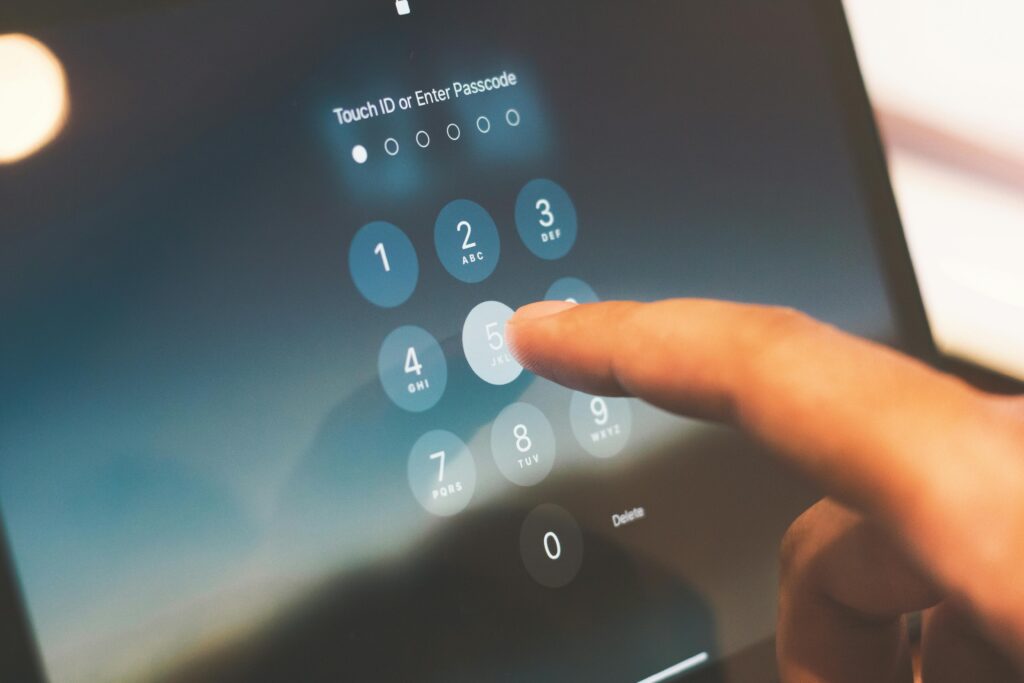
By Tony Bradley, Forbes Contributor
Each year, World Password Day arrives with familiar advice: update your credentials, enable multi-factor authentication, and consider a password manager. But in 2025, this day of awareness serves another purpose—it underscores the accelerating evolution of authentication in a world where passwords are both ubiquitous and increasingly insufficient.
From punch-card terminals to biometric scans, authentication has come a long way—and it’s not done evolving.
A Brief History of the Password
The password has been around for more than six decades. Its origin story dates back to 1961, when MIT’s Compatible Time-Sharing System first used passwords to grant access to files. Since then, passwords have become the gatekeepers to our financial records, email inboxes, and enterprise systems.
But they’ve also become the weakest link in the digital security chain. According to Verizon’s 2024 DBIR, over 60% of breaches involved stolen or compromised credentials. Even now, simple combinations like “123456” remain shockingly common.
As Nicolas Fort, director of product management at One Identity, notes: “Passwords have come a long way, from punch-tape reels in 1961 to the world of multi-factor authentication and fingerprint identification we inhabit today. The next leap is already happening—passkeys tied to devices, one-time AI-generated tokens, and even blockchain-backed session receipts.”
This evolution is not just about convenience—it’s about defense. “Cyberattacks are more frequent, threat actors have more sophisticated tools at their disposal, and… regulators are rightly demanding that [businesses] keep up,” Fort adds.
Why World Password Day Still Matters
Despite their flaws, passwords remain deeply embedded in digital life. That’s why World Password Day—held on the first Thursday in May—remains a relevant call to action. It’s a moment for both consumers and businesses to evaluate not just their passwords, but their broader authentication strategies.
“For security and IT teams, World Password Day is a reminder to educate and enable their organizations, while also forcing a critical look at incident response rates,” says Josh Weinick, sales engineer at Blink Ops. “With threat actors logging in instead of breaking in, automating your tech stack to mount a real-time response is non-negotiable.”
According to Blink Ops’ 2025 State of Security Automation report, 45% of organizations took up to three months to implement their most recent automation—time that attackers can exploit. As Weinick warns, strong passwords alone aren’t enough; “teams must prioritize time to automation and go beyond strong password best practices to actually protect their data.”
Beyond the Password: What’s Next?
The shift toward passwordless authentication is already underway. Multi-factor authentication is now table stakes. Many users rely on biometric logins or device-based authentication, and cloud platforms increasingly support passkeys and hardware tokens based on open standards like FIDO2 and WebAuthn.
This change is particularly significant in regulated industries. Compliance frameworks like HIPAA, NIS2, DORA, and the UK’s Cyber Resilience Act now require detailed control over access and user activity—down to session logs, behavioral analytics, and ephemeral credentials.
In other words, security today is about more than a strong password—it’s about limiting what can be stolen in the first place. Rotating passwords, device-based keys, and zero-standing privileges are becoming the new norm.
Damon McDougald, global cyber protection lead at Accenture, puts it bluntly. “Using the same password across multiple accounts is like leaving your front door wide open for cybercriminals, giving them easy access to all your personal information. While password managers offer some convenience, they come with security risks. Passkeys and biometric authentication offer more secure and user-friendly alternatives, eliminating the need to manage and remember passwords.”
Best Practices in 2025: A Hybrid Reality
Even with the growth of passwordless technologies, passwords aren’t gone yet. Most systems still rely on them—especially in small businesses and legacy enterprise environments. Until the transition is complete, security professionals urge a layered approach:
Use long, complex, and unique passwords for every account
Enable multi-factor authentication (preferably app- or hardware-based)
Avoid SMS-based 2FA when possible
Adopt a trusted password manager to handle credential storage
Be alert for phishing and social engineering schemes
The Path Forward
Passwordless authentication may be the future, but the path there is complex. Not all systems support newer standards, and organizations must balance security with usability and accessibility. In the meantime, the best strategy is layered: combine strong password hygiene with adaptive authentication, automation, and ongoing user education.
Ultimately, World Password Day isn’t just about passwords anymore. It’s about recognizing the growing complexity—and urgency—of securing digital identities in a threat landscape where logging in has become the new form of breaking in.
As regulations tighten and attacks evolve, authentication must evolve too. The question isn’t whether passwords are dead. It’s whether your organization is ready for what comes next.

- The Remediation Cycle No Security Team Wants to Be Running - June 24, 2026
- Who’s Really on the Other End of That Job Interview? - June 21, 2026
- Tenet Security Bets It Can Predict What Rogue AI Agents Will Do Next - June 18, 2026