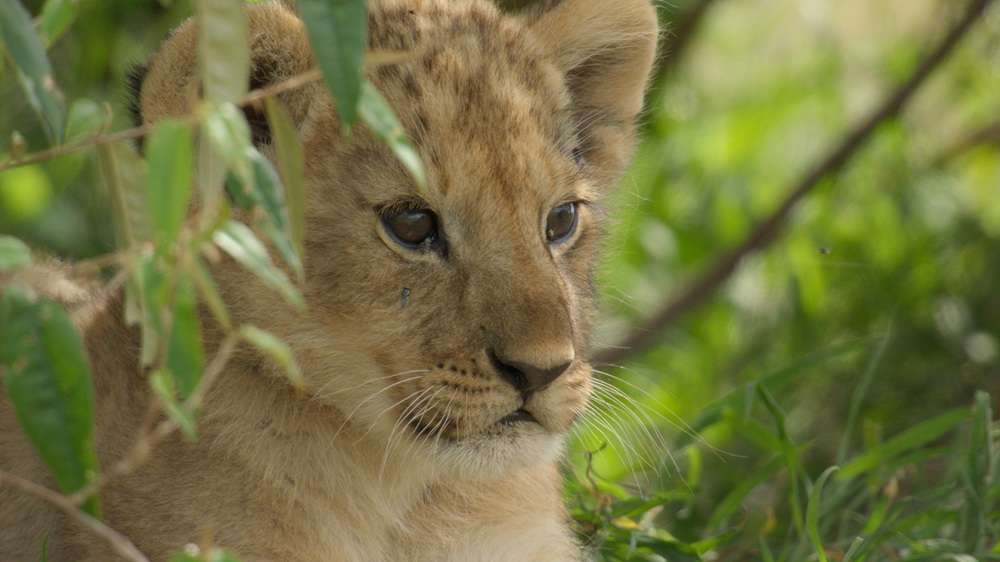
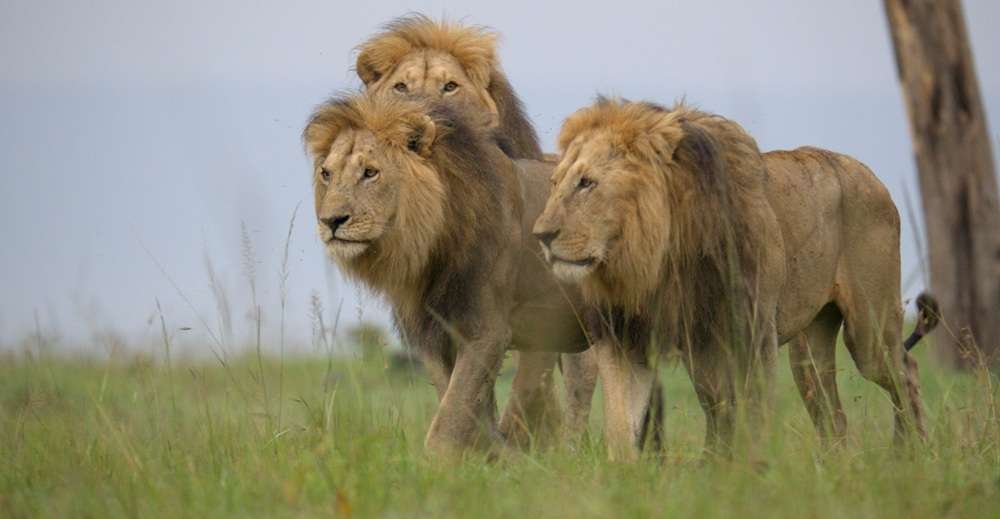
National Geographic’s “Lion” premiered August 19 and moved to Disney+ and Hulu the next day, closing out a four-year production that followed a cub named Kio from an eight-week-old newcomer to a shot at leading his own pride in Kenya’s Maasai Mara. Jon Favreau, who directed the 2019 photorealistic Lion King, executive produced the series with BBC Studios veteran Mike Gunton. Hans Zimmer, who scored the original 1994 animated film, wrote new music for it. The crew logged close to 1,400 filming days across 52 shoots, the most time any production has spent following a single pride.
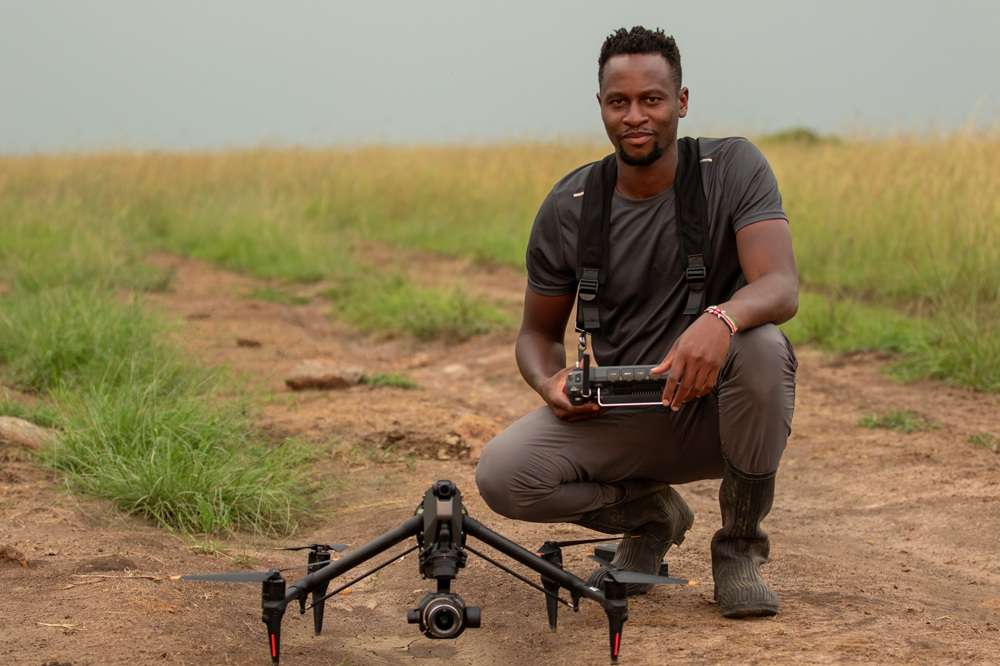
The amazing footage came from a crew willing to sit out a shot rather than disturb the animals or the tourists who share the reserve with them, and from dozens of people making judgment calls in the field with no script to fall back on. I recently sat down with Anthony Njuguna, the aerial cinematographer behind much of Lion’s drone footage, to talk about what four years of that actually looked like.
Teaching Lions to Ignore the Drone
Drones are loud, and lions aren’t used to things buzzing over their heads. Before Njuguna could capture usable footage, he had to get the pride comfortable with the sound and presence of a drone overhead.
“We were very lucky to have that four-year period where we could habituate them,” Njuguna told me. Early on, he flew what he called habituation flights, watching how the lions reacted at different heights and distances before he ever tried to get a usable shot. That reaction changed depending on the animal’s age and what it was doing at the time. A pride that’s hunting behaves differently around a drone than a pride that’s lazing around at midday, and Njuguna had to relearn those patterns as the cubs he was filming grew older. He also had to fly with the wind, keeping the drone downwind so the sound wouldn’t carry ahead of him and spook whatever he was trying to film.
Planning the Shot, Then Letting Nature Take It
Some of Lion’s most striking footage is aerial — sweeping reveals of the landscape, a pride tracked across open savanna during a hunt. Njuguna described the process behind those shots as a mix of preparation and improvisation. Ground crew, including cinematographer Sophie Darlington and Kenyan filmmaker Faith Musembi, would flag what was happening on the ground and how it fit into the larger story the production was trying to tell, whether the pride was moving into new territory or the landscape itself needed to show scarcity of food. That context let Njuguna plan a shot with intention rather than just chasing movement.
Not every shot came from a plan, though. Some behavior only happened once, and if it happened out of range of the ground cameras, the drone was the only thing capturing it. In those moments, Njuguna said he had to cover multiple angles and heights on his own, without knowing in advance which one would end up in the final cut.
Tourists, Batteries, and Limited Airtime
Two limits shaped nearly every day of filming, and neither had anything to do with the animals. The Maasai Mara had long restricted drone use, and the production’s permission to fly came with a condition: stay clear of tourist vehicles, which meant Njuguna sometimes had to watch a scene worth filming and simply not fly. “There’s something that could be filmed here, but I cannot film it,” he said of those moments, calling them frustrating but understandable given how much tourism the reserve depends on.
The other constraint was battery life. Njuguna split his time between a DJI Mavic 3 Cine Pro, good for about 30 minutes per battery, and an Inspire 3 with a telephoto lens, which ran closer to 10 or 15 minutes. Every flight meant deciding what was worth the limited airtime before taking off, and the math didn’t always work in his favor. Njuguna said something significant would often happen right as his battery was running low, forcing him to bring the drone in before he could capture it. “That’s when they decide to do something significant,” he said, half joking about how reliably it seemed to happen over four years of filming.
Even with that kind of anticipation, Njuguna said there were still moments when he was watching one animal and something worth filming happened on the other side of the frame. That’s part of why he wasn’t out there alone. A ranger rode along with him for most of the shoot, watching the pride from the vehicle and helping flag movement Njuguna couldn’t see through the drone’s camera by itself — one more layer of patience built into a production that already ran on four years of it.
What Four Years Add Up To
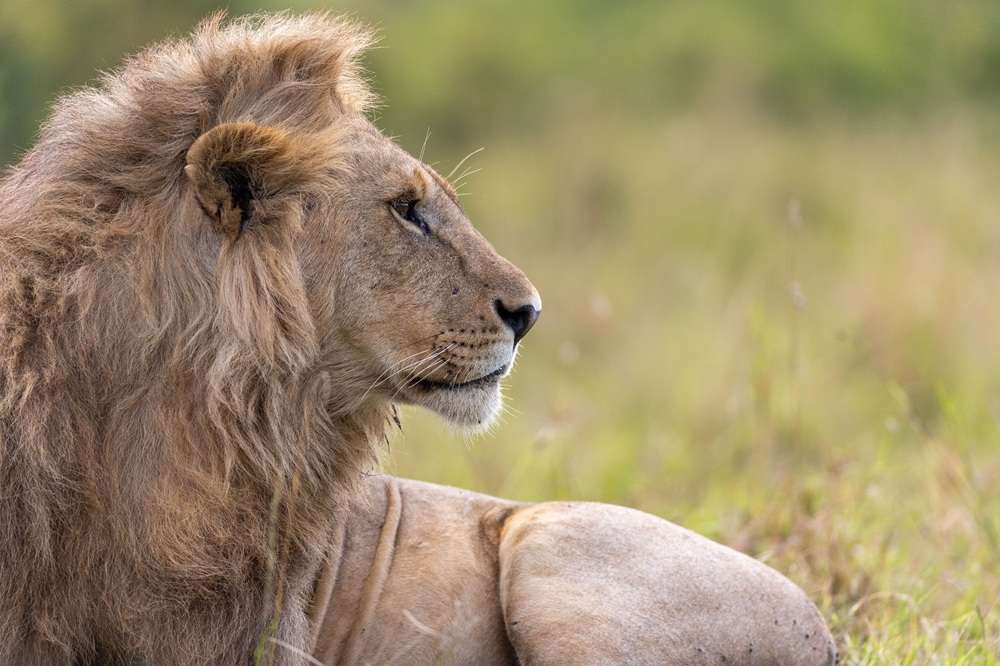
Njuguna’s part of the shoot was one piece of a production that spent four years and 52 shoots following a single pride from Kio’s birth to adulthood. That scale is what separates “Lions” from a scripted retelling of the Lion King story. What Kio went through actually happened to him, with no writer deciding how it would turn out.
National Geographic is billing the series as the first natural history production to document a lion’s complete journey from vulnerable cub to king. Disney has also tied the release to its Protect the Pride campaign, which has put more than $5 million into the Wildlife Conservation Network’s Lion Recovery Fund since 2019, supporting conservation work in 26 countries. Four years in the field produced four hours of finished television, and whether that ratio was worth it is something viewers can judge now that the whole story is out.
All four episodes of Lion are streaming now on Disney+ and Hulu.
- The Technology Tax You Pay Every Time You Buy Something ‘Smart’ - October 14, 2026
- Settra Ransomware Is the Last Thing That Happens - October 11, 2026
- Review: SIMPLETASTE 4-in-1 Electric Milk Frother - October 10, 2026