Chances are you’ve never seen a wild wolf. Most of what people know about wolves comes from bedtime stories and cartoons, where the wolf is almost always the villain.
I had an opportunity to chat with National Geographic Explorer Bertie Gregory about the documentary “Wolves Up Close with Bertie Gregory” and a wolf pack he’s been tracking along Hudson Bay in Canada’s subarctic. The picture he paints is a long way from the Big Bad Wolf.
A Family You’d Recognize
Gregory has been following this pack for seven years, but it had been a while since his last visit, and at the start of this trip he didn’t even know whether Kona was still alive. I asked him how he recognizes individual wolves after a long gap and pieces together what happened while he was away.
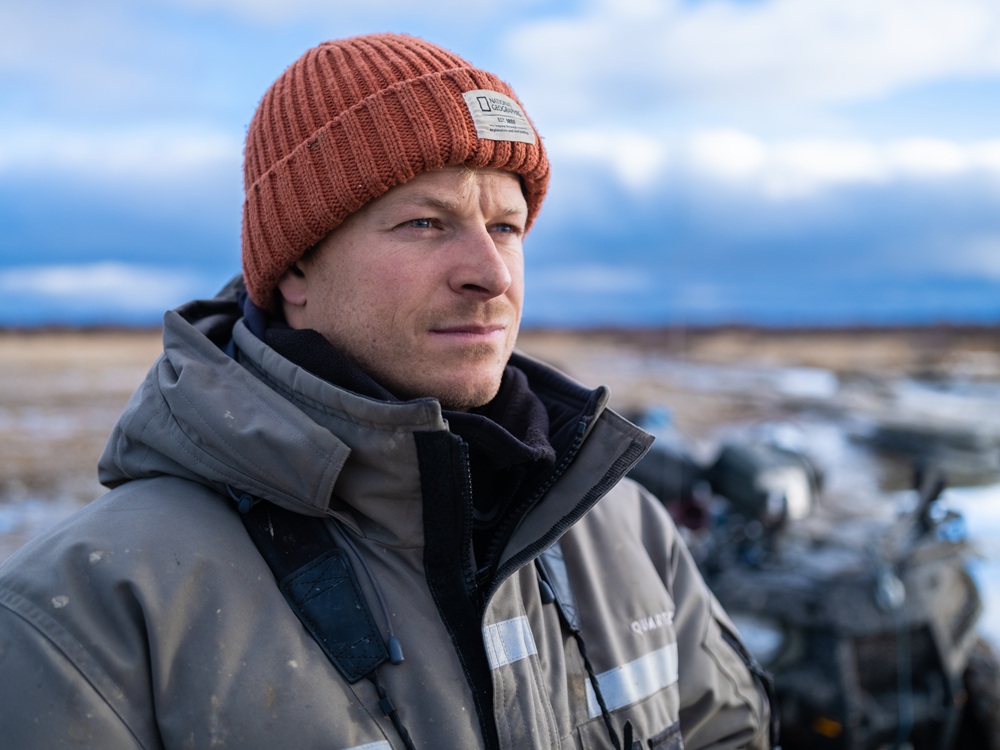
“Just like you can recognize your pet dog or recognize your human friend. All these animals are unique-looking, and once you get your eye on them, they’re very easy to recognize and tell apart,” Gregory said. Kona, the pack’s leader, is easy to spot because he’s bright white and the rest are gray or black.
When Gregory did find Kona, the pack had shrunk from nine wolves to five. Knowing each wolf by sight is how he tracks those changes, and it helps to think of the pack the way he does, as a family. According to the International Fund for Animal Welfare (IFAW), wildlife biologists have largely dropped the old idea of a pack ruled by an “alpha male.” Packs are a breeding pair that typically mates for life, plus their offspring.
Beauty in a Brutal Place
Hudson Bay in winter is gorgeous and unforgiving at the same time. Mike Reimer, founder of Churchill Wild and a local guide on the film, confirmed daytime temperatures there hit minus 40, and the crew saw it on their thermometers. Food is scarce, and the Wolf Conservation Center says a large gray wolf can eat about 22 pounds in one sitting and then go almost two weeks without a meal.
That same landscape is home to polar bears, a wolverine and a river otter hunting beneath the ice. According to the film’s local experts, Kona’s pack is one of the only wolf packs known to take on polar bears.
The film builds to the pack going after an adult moose. According to Field & Stream, bull moose can weigh roughly 1,200 to 1,600 pounds depending on the subspecies, and they don’t go down easy. Rod Boertje, a retired Alaska Department of Fish and Game biologist, recalled two of 23 relocated wolves being killed by moose in their first year.
Gregory followed the chase by drone, flew home mid-hunt to swap batteries, then found the pack again about 20 seconds before it reached the moose. Right as the fight peaked, the drone’s battery started running out, and he had to fly it home without seeing how it ended. I asked whether missing the ending bothered him.
“I kind of like that I didn’t get to see anything,” he said. “These wolves have got this mystery and aura around them, and I like that they kind of maintain that.”
Old Knowledge and New Tools
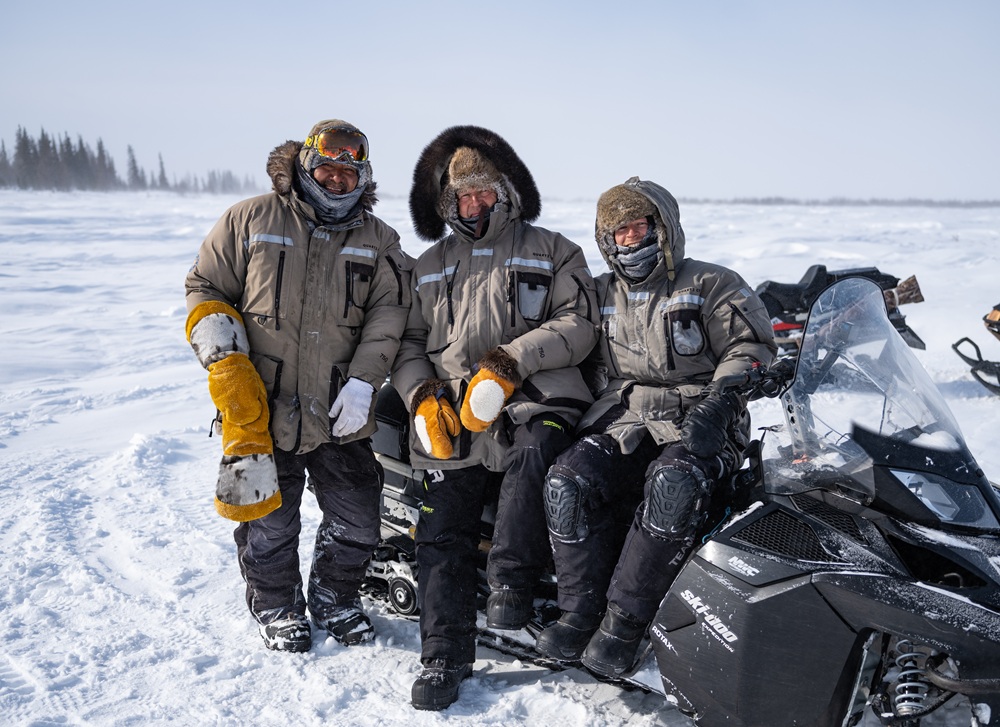
Gregory worked alongside Swampy Cree First Nations elder Albert “Butch” Saunders and Reimer, who says in the film that he’d watched wolves for 20 years and never seen a hunt like that one.
“The lovely thing about what we did was that we combined kind of old school traditional knowledge with new school technology, and without one, without the other, would not have filmed that,” Gregory told me.
Trees, snow and terrain had always hidden a successful hunt from Saunders and Reimer. The drone could see it, but Gregory said he couldn’t have kept up with the pack without them.
Why Getting Close Matters
It’s hard to care about something you’ve never seen, and it’s easy to fear it. When I asked what’s changed over seven years, Gregory started with climate. The Arctic is warming about four times faster than the global average, he said, which is rough on polar bears that need sea ice. For wolves, though, he sees the bigger threat as people shooting and trapping them, and he thinks fear makes that easier to justify.
“It’s very easy to persecute something you despise,” he said. He hopes the film changes some minds. “They are not these dangerous mindless killers that our childhood stories have us believe. They’re crucial parts of the landscape and these amazing, loving family members.” His advice for anyone who wants to help is to support policies that protect wolves.
Very few of us will ever stand on the ice at Hudson Bay, but a film like this can get us close enough to see a wolf as a parent and a partner. It’s a lot harder to shrug off a wolf getting shot after that.
Saying Goodbye to Kona
The film ends with Gregory saying this may be the last time he sees Kona, and he told me that Kona is “now likely gone.” He’s followed the pack since before Kona joined it, and he expects Kona’s offspring to “continue the dynasty of the pack.”
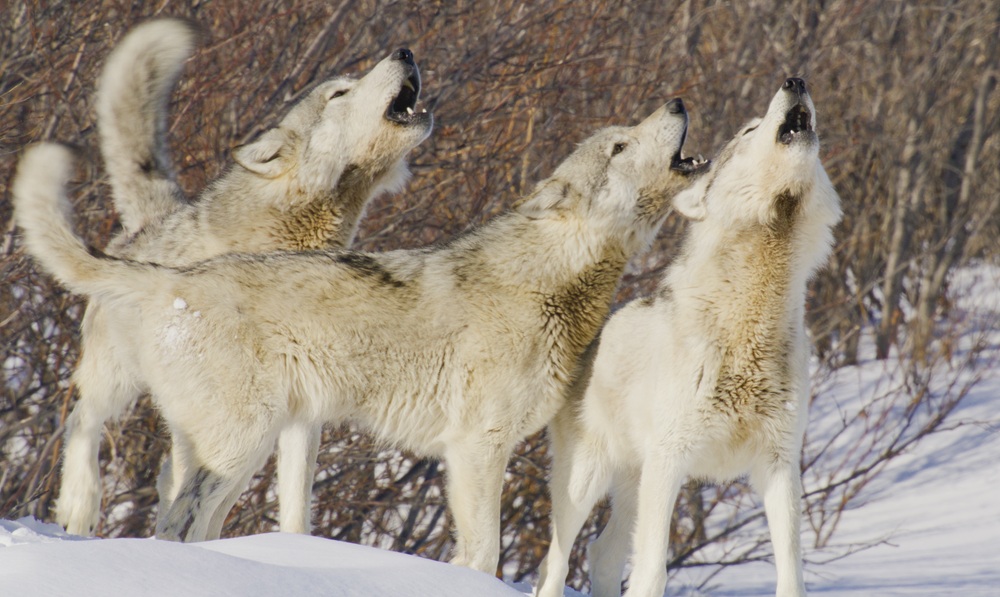
If you want to see Kona’s pack for yourself, Wolves Up Close With Bertie Gregory premieres Nov. 6 at 9/8c on National Geographic and streams on Disney+ and Hulu.
- Getting Up Close With Wolves Changes How You See Them - November 5, 2026
- Earning Trust in the Age of AI Agents - November 4, 2026
- The Billionaires Who Want to Outgrow Democracy - October 28, 2026