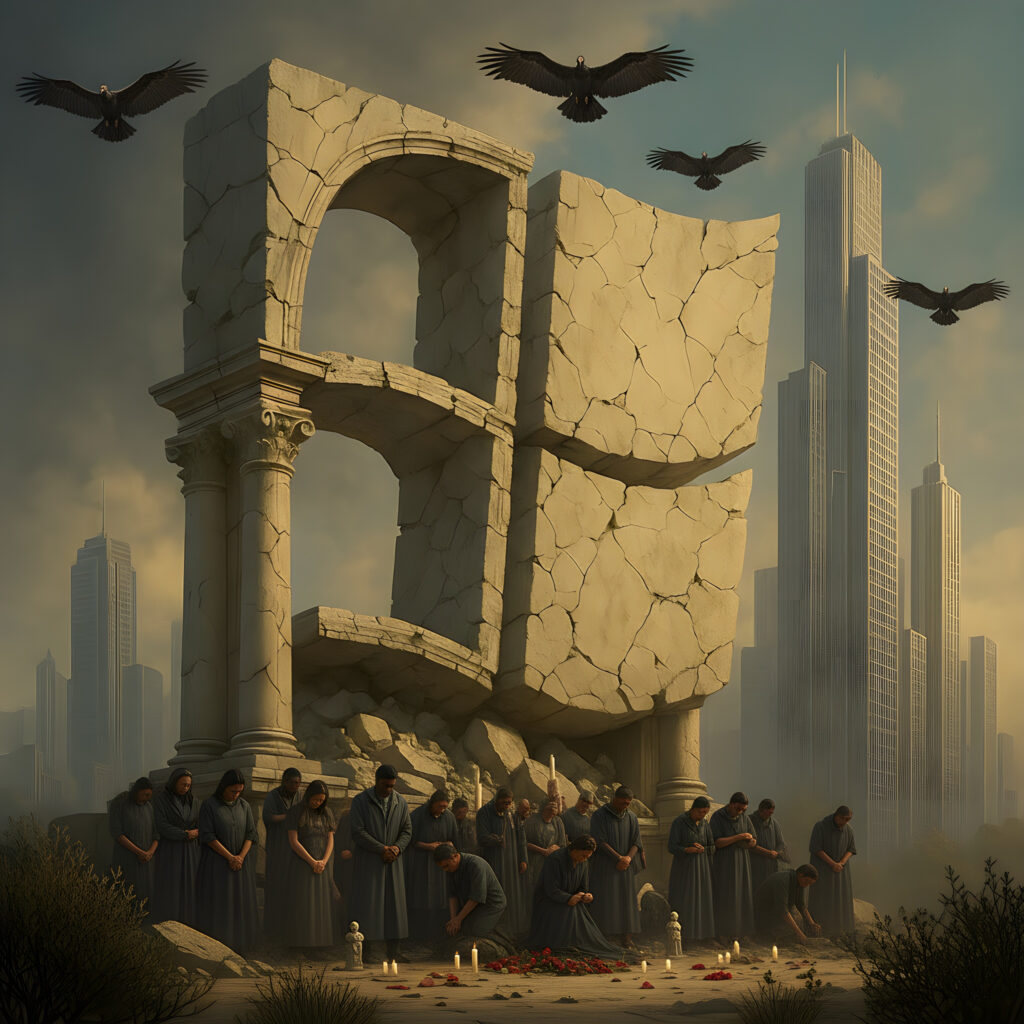
History rarely repeats itself, but in the world of technology, it often rhymes. For those who remember the late 90s and early 2000s, Microsoft’s Internet Explorer was an unassailable titan, a default gateway to the web holding over 90% of the market. Its eventual, spectacular collapse at the hands of nimbler, more innovative rivals serves as a potent cautionary tale.
Today, the echoes of that downfall can be heard in the halls of Microsoft’s most iconic product: Windows. The slow, grinding erosion of the operating system (OS) that defined personal computing is underway, accelerated by Microsoft’s own strategic shifts and a changing technological landscape.
The Great Upgrade Stall
The first sign of trouble is user apathy. The transition from Windows 10 to Windows 11 has been anything but swift. More than three years after its launch, Windows 11 is still struggling to overtake its predecessor, with a significant portion of the user base—both consumer and corporate—sticking with Windows 10. According to recent data from Statcounter, Windows 10 still holds significant market share, and Windows 10 users are at risk.
This isn’t just user inertia; it’s a reflection of Windows 11’s controversial hardware requirements that orphaned millions of perfectly capable PCs and a perception that the newer OS offers few compelling, must-have features. When your user base doesn’t see a reason to move to your latest and greatest, it’s a clear signal that the platform’s innovative momentum has stalled.
A Head in the Clouds
Under CEO Satya Nadella, Microsoft has brilliantly pivoted to become a cloud-first juggernaut. Azure and the broader Microsoft Cloud are the engines of the company’s astronomical growth. But this strategic success has come at a cost to its legacy products. Windows is no longer the center of the Microsoft universe; it’s increasingly viewed as just another endpoint, a client to access the company’s lucrative cloud services like Microsoft 365.
This shift in focus has created a critical competitive exposure. If Microsoft’s premier services work just as well through a browser on a Mac, Chromebook or Linux machine, the strategic necessity of using Windows itself diminishes with each passing day. The OS is slowly being demoted from a king to a commoner.
The Sound of Marketing Silence
When was the last time you saw a truly exciting, culture-defining marketing campaign for Windows? The days of massive, ambitious launches like Windows 95’s “Start Me Up” are a distant memory. Microsoft’s marketing muscle is now flexed for Surface hardware, Xbox and its AI-powered cloud solutions.
This has left both Windows and the bundled Microsoft Office suite feeling like legacy products coasting on past glory. Without a strong narrative and compelling marketing, the value proposition weakens, leaving the door wide open for competitors to define the future of the personal computer.
The AI Accelerator
The emergence of powerful, cloud-based AI could be the final nail in the coffin for the traditional OS’s dominance. As we increasingly interact with AI agents that can write documents, create presentations and manage our workflows, the underlying operating system becomes less relevant. The primary interface shifts from the Start Menu to an AI prompt.
This new paradigm doesn’t require a heavyweight OS; it requires a connection to the cloud. A lightweight, browser-based OS or a simple client on any hardware could deliver the exact same AI-powered experience, commoditizing the complex platform that Windows represents.
The Rise of the Pretenders
Nature abhors a vacuum, and several competitors are rising to challenge Windows’ throne.
- The Android PC Movement: Fueled by the ubiquity of its mobile ecosystem, Android is making a serious play for the desktop. Devices from companies like Samsung with its DeX platform are turning smartphones into viable desktop experiences. While still lacking in high-end legacy application support, its massive app library and seamless integration with mobile life make it a growing threat, particularly in emerging markets and for a generation of users who are mobile-first.
- The Linux Renaissance: For decades, Linux on the desktop was the domain of hobbyists and developers. That is no longer the case. Modern distributions like Zorin OS and Pop!_OS offer polished, intuitive user experiences that directly mimic Windows and macOS, making the transition virtually seamless. With powerful compatibility tools like Valve’s Proton for gaming and a robust suite of open-source productivity software, Linux is more prepared than ever to welcome mainstream users fleeing an increasingly neglected Windows ecosystem.
Wrapping Up
If Windows fades into insignificance, Microsoft’s revenue will surely take a hit, but the strategic loss would be far greater. Windows provided the foundational lock-in for its entire software and services empire. Losing that control would be a catastrophic, long-term blow.
Just like with Internet Explorer, the decline of Windows won’t happen overnight. It will be a slow, steady erosion driven by strategic neglect, user apathy and the rise of more agile, modern competitors. Microsoft is busy building a formidable cloud empire, but it seems to be forgetting that every empire needs a secure homeland.
By letting its OS flagship rust, it risks losing the very platform that made its success possible in the first place.

- Motorola Edge 70 Plus Achieves Massive Battery Life but the Launch Exposes Dell’s Historic Mobile Collapse - September 21, 2026
- Meta Finalizes Massive Teen Addiction Settlement, but Proposed App Restrictions Make Kids Less Safe - August 28, 2026
- The Aftermath of Corporate Overexpansion - August 25, 2026