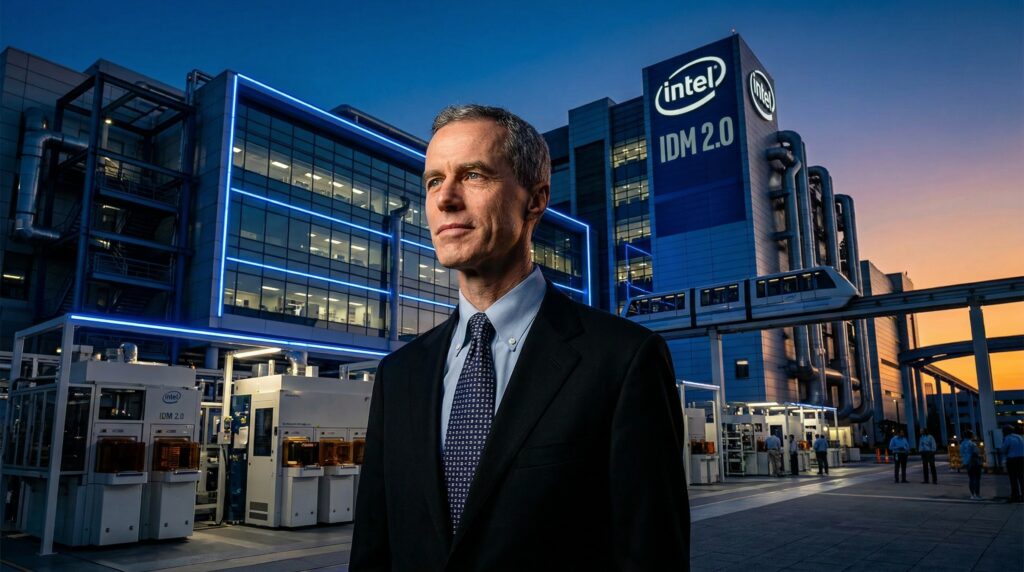
Intel is no longer the company that can rely on “the way we’ve always done it.” In a move that signals the final transition from a period of existential crisis to one of disciplined scaling, Intel announced on March 3, 2026 that Dr. Craig H. Barratt will become the independent chair of its board of directors on May 13, 2026.
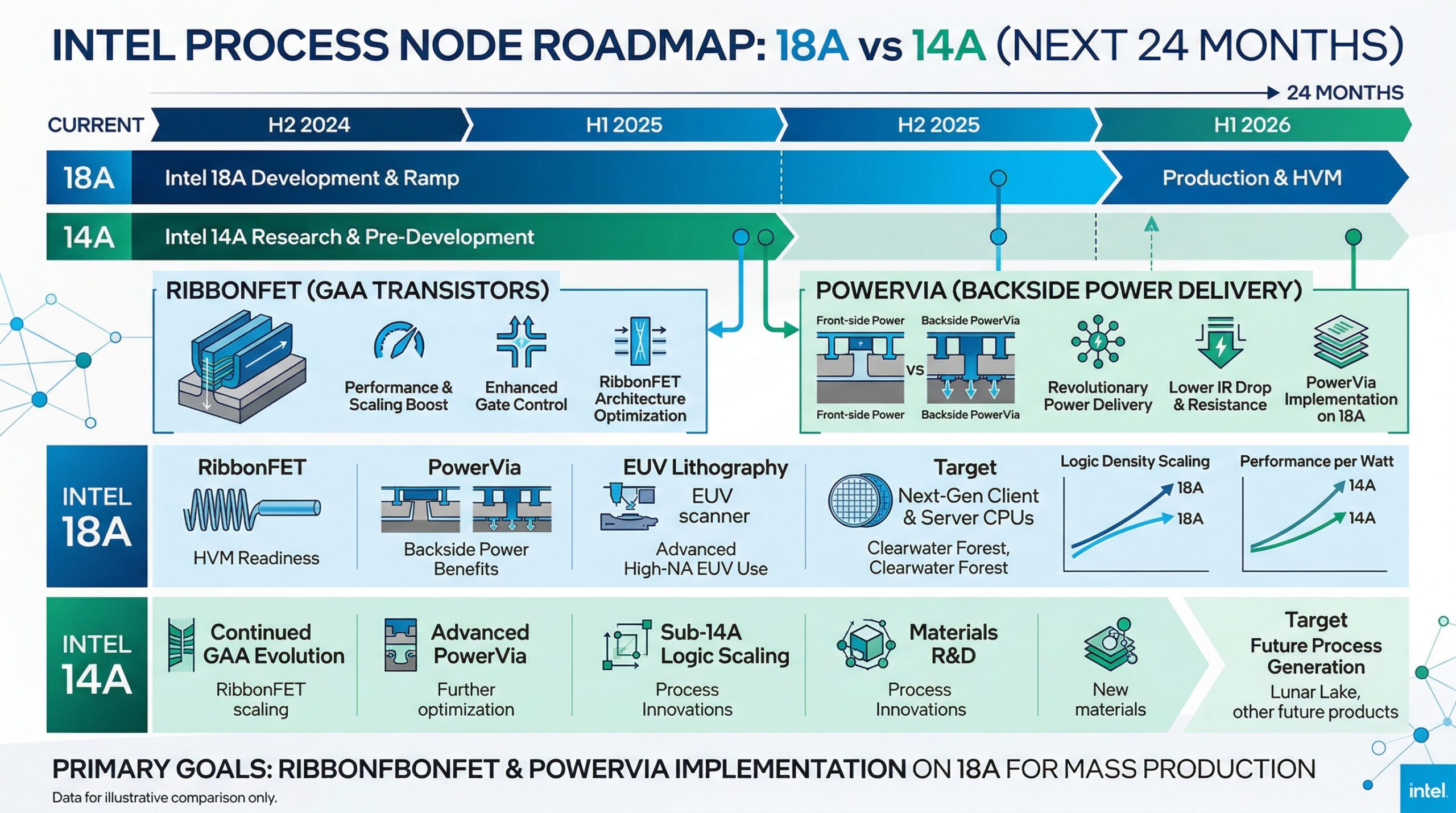
He succeeds Frank D. Yeary, the man who steered the ship through the stormy transition of 2024 and 2025. But as Intel moves into a phase defined by the high-stakes execution of its 18A and 14A process nodes, the board isn’t just looking for a financial guardian—they are looking for a technologist who can hold the mirror up to management.
The Power of Independence: Chair vs. Executive Chair
who steered the ship through the stormy transition of 2024 and 2025. But as Intel moves into a phase defined by the high-stakes execution of its 18A and 14A process nodes, the board isn’t just looking for a financial guardian—they are looking for a technologist who can hold the mirror up to management.
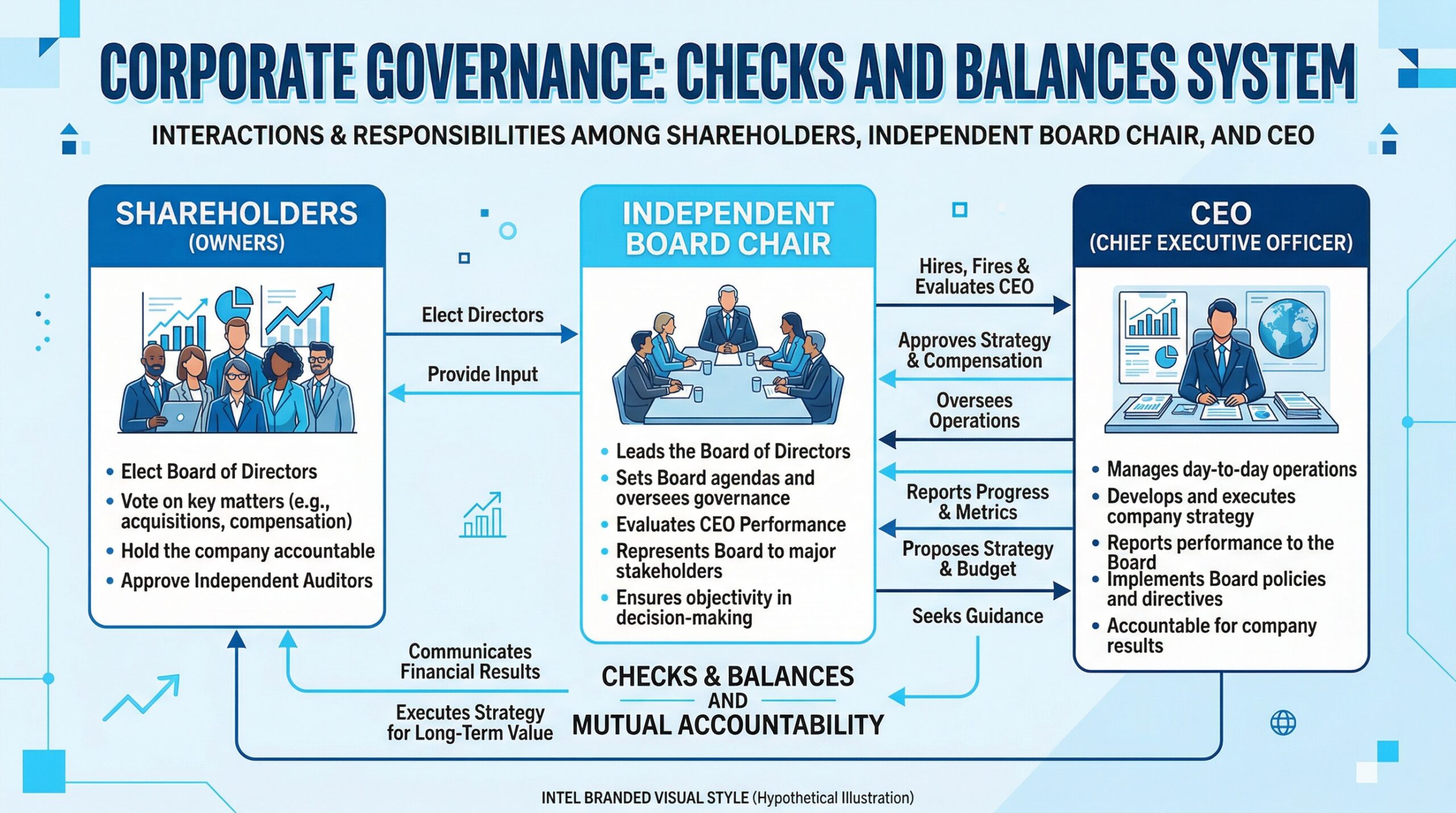
To understand why this appointment matters, we have to look at the “Chair” title. In many legacy American corporations, the CEO also serves as the Chairman—essentially grading their own homework. This is an Executive Chair, and it is problematic for strong corporate governance because the most powerful person watching the CEO is the CEO.
An Independent Chair, however, is the gold standard for corporate governance. They are not employees of the company and maintain a clear separation from the executive team. Their job is to lead the board in its oversight of the CEO, ensuring that the interests of the stockholders remain the primary focus. By appointing Barratt, a man with deep external industry credibility, Intel is doubling down on “disciplined board oversight” and “strong board governance.”
The Barratt Blueprint: From Atheros to 18A
Craig Barratt isn’t just another suit. He is an electrical engineer with a Ph.D. from Stanford and a career that reads like a history of modern connectivity. He led Atheros Communications through its IPO and its subsequent $3.1 billion acquisition by Qualcomm. Later, he managed Google’s ambitious Access and Energy projects.
Crucially, Barratt knows Intel from the inside. He served as a Senior VP for Intel’s connectivity business after the company acquired Barefoot Networks, where he was CEO. This background is a “triple threat” for Intel’s current problems:
- Foundry Credibility: He understands the vendor-client relationship from his time at Qualcomm.
- Networking & AI Infrastructure: His Barefoot Networks experience is vital as AI workloads shift toward high-speed interconnects.
- Operational Rigor: He has a history of taking “complex, engineering-driven businesses” and making them profitable.
The Lip-Bu Tan Era: Restructuring and “No More Blank Checks”
Barratt is stepping into a board that has been fundamentally reshaped by the current CEO, Lip-Bu Tan. Since taking the helm in March 2025, Tan has made a series of brutal, necessary decisions to “reinvent Intel.” These include deep cost-cutting, refocusing on an engineering-centric culture, and driving the foundry business to compete with TSMC.
In the March 2026 announcement, Frank Yeary explicitly noted that the board worked “from the outset” of Tan’s tenure to align on these priorities. Barratt, who joined the board in November 2025, has been part of this “disciplined, multi-year effort.” There is no evidence of friction; in fact, Barratt’s statement emphasizes “supporting rigorous execution” and “investing in U.S.-anchored R&D.” He isn’t there to change Tan’s direction; he’s there to provide the technical scaffolding to ensure the strategy translates into yield.
Intel 2028: The Vision Under Barratt
What does Intel look like after two years of Barratt’s chairmanship? If his track record is any indication, the company will likely look more like a high-performance foundry and less like a sprawling conglomerate.
By 2028, we should see:
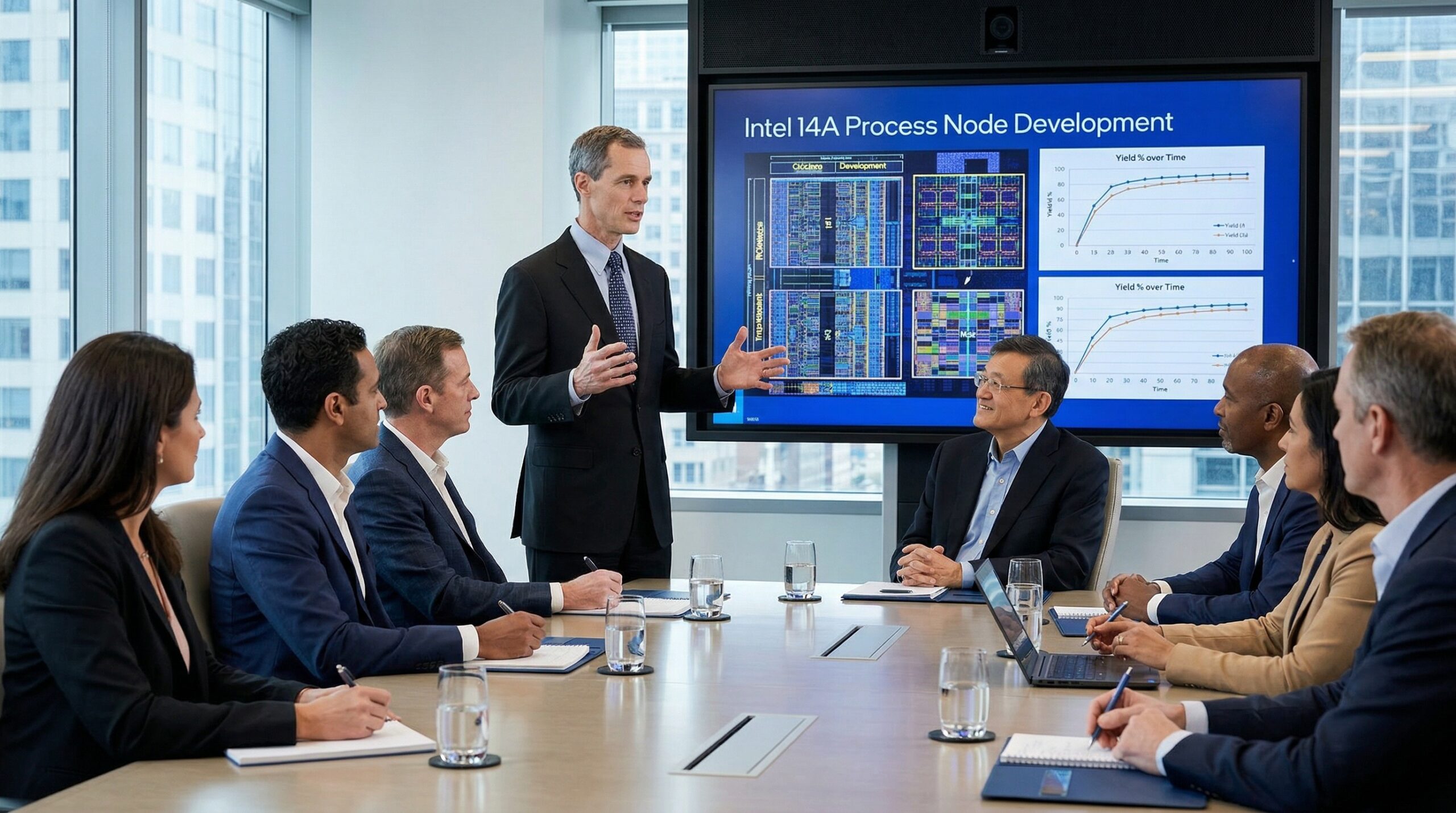
- Foundry Maturity: With 18A in high-volume manufacturing (HVM) and 14A moving toward production, Barratt’s influence will be seen in how Intel manages external customers.
- Product Leadership: As seen in recent updates on Intel Foundry, the focus on “delivering what was promised” is paramount.
- A “Geek’s Geek” Culture: Barratt is known as a technologist’s leader. His presence suggests the “engineering-centric culture” isn’t just a PR buzzword; it’s the new DNA of the board.
Wrapping Up
The appointment of Dr. Craig Barratt is the final piece of the “New Intel” puzzle. By moving from a finance-heavy board leadership to a technical-heavy independent chair, Intel is signaling to the market that the era of “execution gaps” is over. Barratt’s deep semiconductor expertise and history of operational leadership make him the perfect partner for Lip-Bu Tan. Together, they are tasked with ensuring that the 18A and 14A roadmaps aren’t just technical achievements, but the foundation of a sustainable, profitable future.

- Motorola Edge 70 Plus Achieves Massive Battery Life but the Launch Exposes Dell’s Historic Mobile Collapse - September 21, 2026
- Meta Finalizes Massive Teen Addiction Settlement, but Proposed App Restrictions Make Kids Less Safe - August 28, 2026
- The Aftermath of Corporate Overexpansion - August 25, 2026