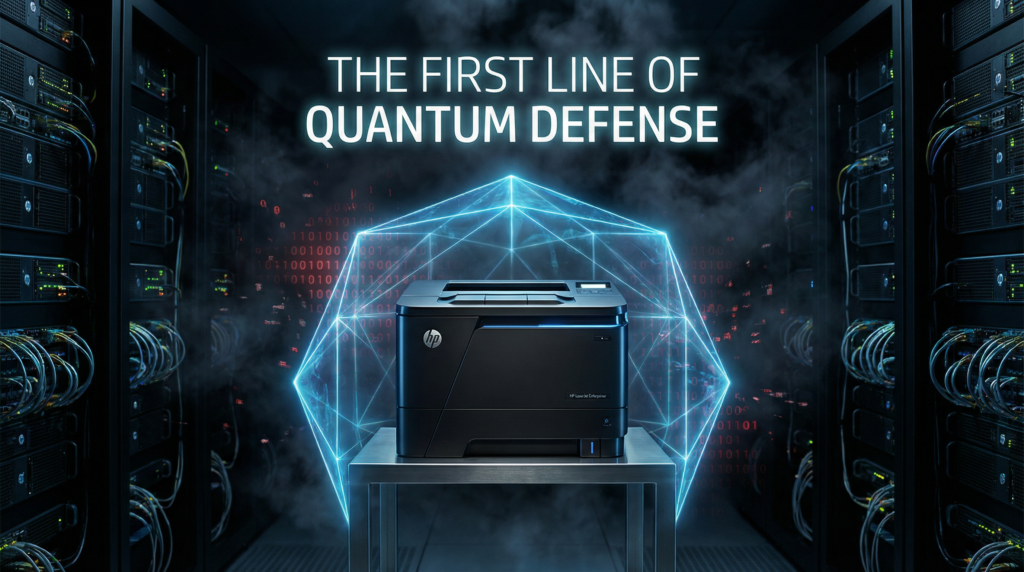
For decades, the IT industry has treated the office printer like the crazy uncle at a Thanksgiving dinner: we know he’s there, we know he’s a bit of a liability, but we largely ignore him until he starts a fire. In the realm of cybersecurity, this neglect is bordering on criminal. We spend billions securing the perimeter, hardening servers, and deploying sophisticated EDR on endpoints, yet we leave a massive, data-retaining, networked computer—which is what a modern printer actually is—sitting in the hallway with the digital equivalent of a screen door.
Peripherals, particularly printers and multi-function devices (MFPs), are the soft underbelly of the enterprise. They handle the most sensitive data a company possesses: payroll records, strategic plans, legal contracts, and intellectual property. Most of these devices retain data on internal storage and, more importantly, they act as a trusted node on the network. If you compromise the printer, you have a persistent foothold inside the firewall. Despite this, peripheral security is often an afterthought, a box checked with a simple password that was likely never changed from the factory default.
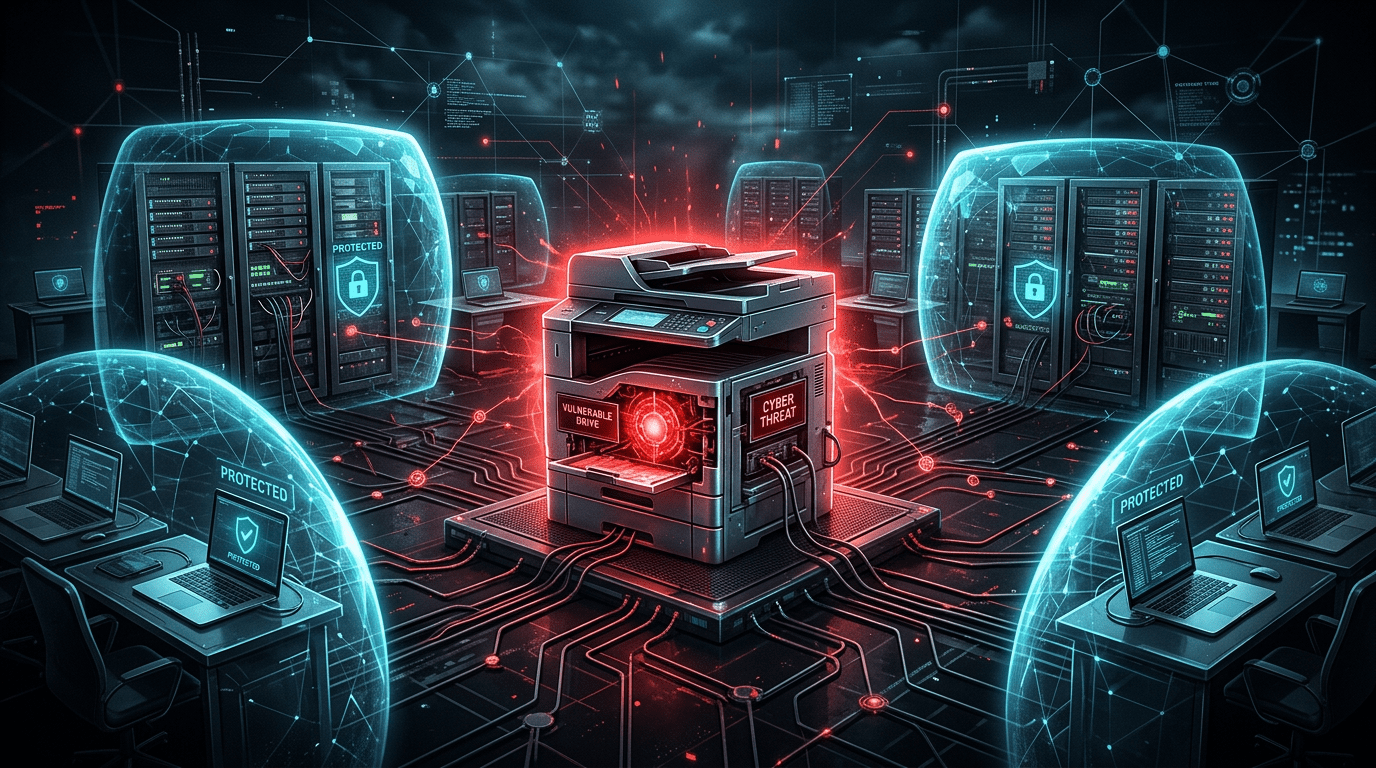
Q-Day: The Impending Cryptographic Apocalypse
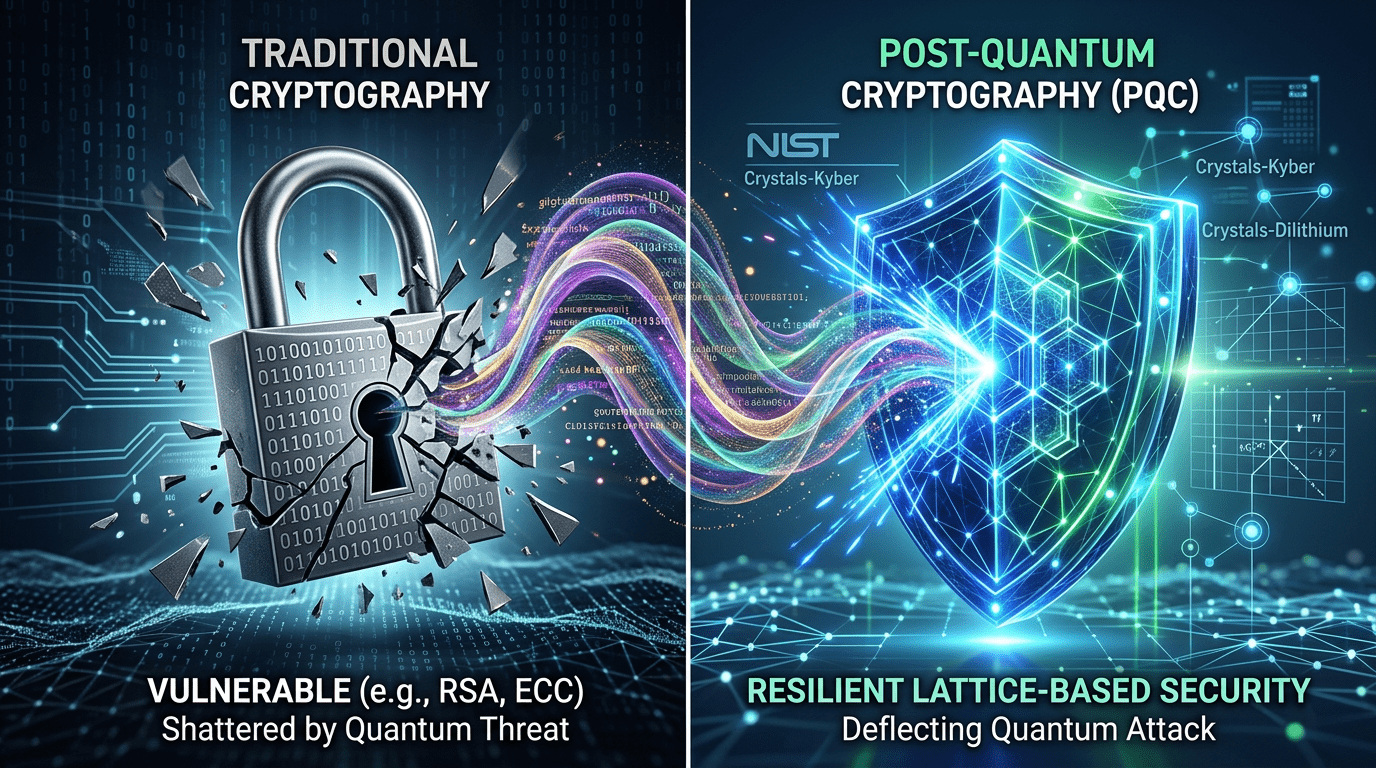
We are currently racing toward a hard wall known in intelligence circles as “Q-Day.” This is the theoretical point in time when a cryptographically relevant quantum computer (CRQC) becomes powerful enough to break the public key encryption (RSA and ECC) that currently protects nearly every digital interaction on the planet.
The problem isn’t just future data; it’s the data being stolen today. State actors are currently engaging in “Harvest Now, Decrypt Later” (HNDL) attacks. They are vacuuming up encrypted traffic from corporate and government networks, storing it in massive data centers, and waiting for the day a quantum computer can crack the code. If your peripheral devices are sending data using legacy encryption, that data is already compromised; you just don’t know it yet. Quantum computing represents a total collapse of the current trust model of the internet. Without Quantum-Resistant Cryptography (PQC), our digital economy becomes a house of cards.
HP’s Decades-Long March to Quantum Resilience
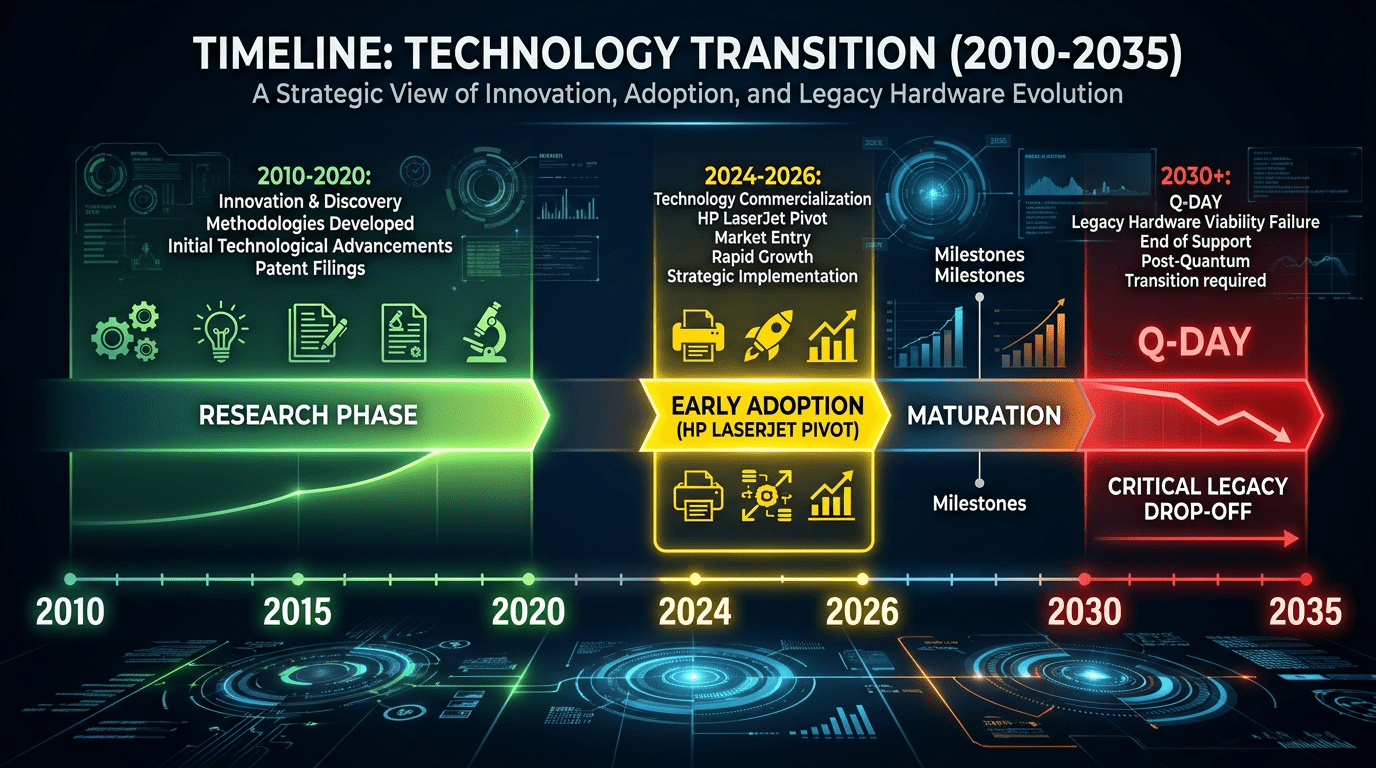
While many companies are just now waking up to the quantum threat because it’s become a trendy buzzword, HP Inc. has been playing the long game. This isn’t a pivot; it’s a culmination. HP’s journey into Post-Quantum Cryptography (PQC) actually began well over a decade ago within HP Labs.
They recognized early on that the lifecycle of a printer—often five to ten years in a corporate environment—meant that devices sold today would still be in service when Q-Day likely arrives. HP’s “Wolf Security” platform was the foundation, but the integration of PQC into the hardware level of their new LaserJet portfolio is a masterstroke of forward-thinking engineering. By embedding quantum-resistant algorithms into the firmware signing and data encryption paths, HP is essentially future-proofing the hardware against a threat that hasn’t even fully manifested yet. This is the kind of deep-stack thinking we rarely see in a “quarterly-results-first” industry.
Beyond the Printer: The Universal Need for Quantum Safety
If HP can do this for a printer, there is no excuse for the rest of the industry. The “Quantum Safe” mandate needs to extend to every peripheral that touches a network. We need to see this level of protection in:
- Network NAS and Storage Arrays: Where the “Harvest Now” data actually lives.
- Routers and Switches: The literal plumbing of the internet.
- Industrial IoT and Medical Devices: Where a quantum breach doesn’t just mean lost data; it means lost lives.
- VoIP and Unified Communications: Your private board meetings are currently encrypted with math that a quantum computer will find trivial.
Regardless of whether the logo on the box says Dell, Cisco, or Xerox, the transition to NIST-approved quantum-resistant algorithms is no longer optional. HP has thrown down the gauntlet; the rest of the hardware world now looks dangerously obsolete by comparison.
The Forecast: When the Quantum Storm Hits
Predicting Q-Day is a bit like predicting an earthquake, but the consensus among experts is narrowing. Most analysts, including those at Gartner and various national security agencies, suggest that we are looking at a window between 2030 and 2035. However, some breakthroughs in error correction could pull that date into the late 2020s.
What happens to the “Quantum Unsafe” peripherals when that day arrives? They will become instant liabilities. We will likely see a massive, panicked “rip and replace” cycle that will dwarf the Y2K scare. Companies that failed to invest in future-proof hardware will find their entire peripheral fleet neutralized overnight, as insurance carriers will likely revoke cybersecurity policies for any firm running “breakable” encryption. The “brick” rate for old technology will be 100%.
The Competitive Landscape: Who Else Can We Trust?
HP isn’t alone in the lab, but they are leading in the shipping manifest. IBM is, of course, the titan of quantum hardware and has been instrumental in developing the algorithms NIST is standardizing. Microsoft and Google are also heavily invested in the “Quantum Safe” cloud.
However, in the hardware peripheral space, the competition is lagging. Many companies are claiming “software-upgradable” quantum security, which is often a half-measure. True security requires a hardware-rooted trust chain. Can we trust other vendors? Only if they are transparent about their implementation of the FIPS 203, 204, and 205 standards. HP’s advantage is their vertical integration—they control the silicon, the firmware, and the software stack. Most of their competitors outsource these components, creating a fragmented “trust” chain that is only as strong as its weakest link.
Wrapping Up
The announcement that HP is expanding Quantum-Resistant security to its LaserJet portfolio is more than just a product update; it’s a wake-up call for the entire IT industry. HP has recognized that the printer is no longer just a printer—it is a critical node in the enterprise defense architecture.
By looking back at a decade of research and looking forward to the quantum threat of the 2030s, HP is providing a blueprint for what “future-proof” actually means. The risk of Quantum computing breaking our current encryption is not a “maybe,” it’s a “when.” Companies that continue to ignore peripheral security or rely on legacy encryption are essentially leaving their back doors unlocked while the storm clouds gather. HP’s move is smart, it’s necessary, and frankly, it’s a move I hope every other hardware vendor is forced to copy—for all our sakes.

- Meta Finalizes Massive Teen Addiction Settlement, but Proposed App Restrictions Make Kids Less Safe - August 28, 2026
- The Aftermath of Corporate Overexpansion - August 25, 2026
- The 2026 Google Pixel 11 Pro Hits Thirty Hours of Battery Life but the New York Keynote Proved Google Wants You to Ignore It - August 21, 2026