The Google Pixel launch event in New York was amazing! Trevor Noah opened the stage with his standard comedic delivery. A musical set from PinkPantheress followed him. The entertainment quickly gave way to a stark corporate message when Rick Osterloh grabbed the microphone. Osterloh runs the devices division at Google. He told the crowd that modern technology must get more helpful and simpler simultaneously. He mapped out a future driven entirely by Gemini Intelligence. The operating system handles complex tasks automatically. It allows you to use your phone significantly less over the course of a day. Google expects to launch intelligent eyewear later this year to push this ambient computing strategy even further. The entire New York presentation felt less like a hardware launch and more like a manifesto on digital minimalism. The physical hardware exists primarily to get out of your way.
Google Replaced a Developer Toy with a Market Contender
I spent years working as a financial and competitive analyst at ROLM Systems and IBM. I watched massive tech companies completely misread shifting consumer hardware markets. Google launched the original Nexus One as a basic reference platform for software developers. They never intended to move massive volume. The corporate strategy shifted aggressively when Google announced the first generation Pixel. Osterloh took over the hardware division and aimed directly at the premium margins controlled by Apple. I bought that first Pixel immediately. I clearly remember the camera destroying everything else I carried. Google spent the next decade grinding out domestic market share. Recent industry data suggests the Pixel brand sits firmly in the top four slots in the incredibly mature US smartphone market. I currently maintain active subscriptions to Gemini Advanced and Pixel Care+ directly through the Google Store. I rely heavily on their ecosystem to manage my daily workflow.
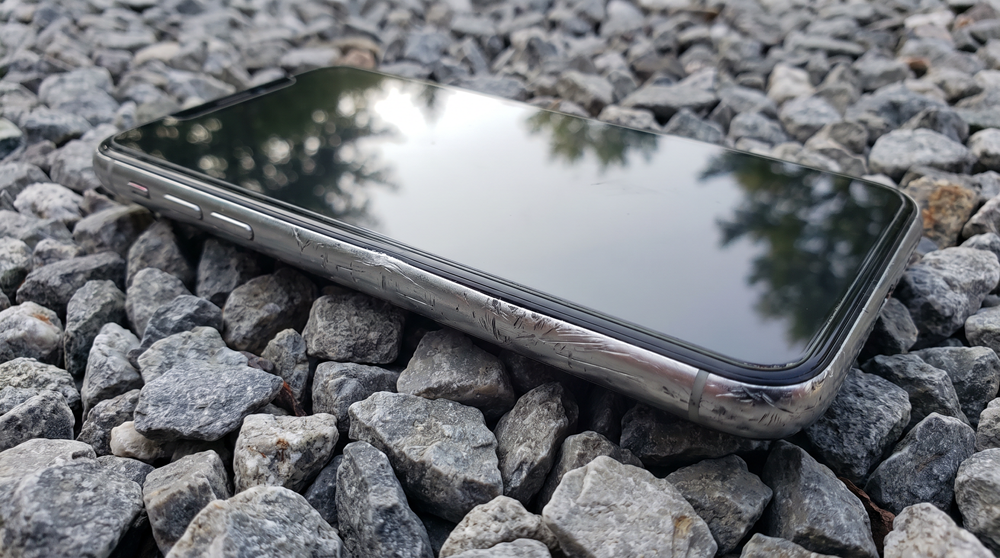
The Physical Chassis Becomes Disposable Infrastructure
Isabelle Olsson stepped onto the New York stage to detail the new design language. She helped launch the original Pixel designs years ago. She noted that her team looks directly at natural environments to select device colors. She highlighted an aggressive obsidian colorway as her personal favorite. I personally prefer a Blue finish on my own technology hardware. Google finally built a device that survives an accidental drop onto a concrete sidewalk. They built the entire new Pixel 11 lineup from 100 percent recycled aluminum. They sourced eleven other elements from recycled components to finish the internal hardware. The iconic camera bar slimmed down significantly. It slides easily into tight denim pockets with a stunning edge-to-edge camera design. The front displays use a custom glass compound. The Pro displays are twice as scratch resistant as last year. Unlike Apple, Google expects you to fix your own broken hardware. The internal layout allows for simple home repairs. Edward Shi walked out later to discuss the new Google Store in Tokyo. Physical retail footprints require massive capital investment. The global retail expansion proves Google intends to fight Apple directly for heavy foot traffic in expensive urban centers. Google engineered shell to best protect the AI brain inside.
The Foldable Hinge Survives Extreme Wear
I carry a Pixel 10 Pro Fold and love it, and it has been impressively durable. The 2026 Pixel 11 Pro Fold takes this rugged mandate further. Folding phones historically felt like delicate prototypes. Google attacked this fundamental flaw directly. The Pro Fold is three times more durable than the previous generation. The internal testing lab folded the hinge mechanism over 83 million times to simulate years of heavy abuse. The foldable now features deep protection against both dust and water intrusion. The entire line targets heavy content creators and field workers who destroy their gear. The massive internal battery easily handles the power draw of the folding screen. It pushes past 24 hours of heavy usage. A quick 15-minute charge gives you 15 hours of operating time. The engineering team turned a fragile gimmick into a heavy-duty field tool.
Gemini Transforms the Phone into a Background Agent
Toni Urban demonstrated a Highlight feature that fundamentally changes how you interact with the screen. It allows you to put your phone down completely. The phone uses subtle external colors to alert you to critical messages. The messaging heavily mirrors an excellent Windows Phone television ad from years ago. That old Microsoft campaign told users to put their devices down to better experience life. Steve Ballmer ended that campaign prematurely and rendered it moot. Google resurrected the core concept and built the underlying tools to make it work. Gemini Intelligence operates as an agentic tool. It books dinner reservations autonomously on Open Table. It handles complex travel arrangements and tedious shopping tasks. It stops right before the payment gateway. The phone automatically blocks scam calls. It uses AI tools to block background noise during active calls. Peggy Gou took the stage to showcase how the color notification feature works for incoming voice calls. The engineering team plans to roll this feature out for text messaging shortly. The operating system actively intercepts endless notification interruptions. I thought the concept was amazing when Microsoft came up with it, but I Google’s far better execution is brilliant!
The Camera Operates Without Human Intervention
The physical camera hardware features significantly improved close-up and zoom performance. It captures far better nighttime imagery. The Live Capture feature handles your camera work for you. You point the phone at a fast-moving subject. The phone automatically edits videos and captures still frames of the action. You never have to manage the camera settings manually. The processor analyzes 400 different frames in real time. It dynamically chooses the absolute best shots. The new processor pulls ambient light out of absolute darkness. The phone does all the heavy processing instantly. The processor turns raw sensor data into highly polished content.
Voice Recognition Fixes Old Interface Frustrations
The voice-to-text software engine received a massive upgrade. It handles complex regional accents effortlessly. The new Rambler feature edits your spoken words in real time based on what you actually meant to say. You never have to manually edit the resulting text block. The phone automatically senses the spoken language and translates it instantly. Google also demonstrated a new sign-to-text capability using American Sign Language. The phone translates physical hand signs into a computer-generated voice. The feature handles both one-handed and two-handed signing smoothly. It reads human facial expressions to apply the correct emotional tone to the spoken words. English translation is available today. Other languages are actively under development. This fundamentally alters how deaf users interact with service workers.
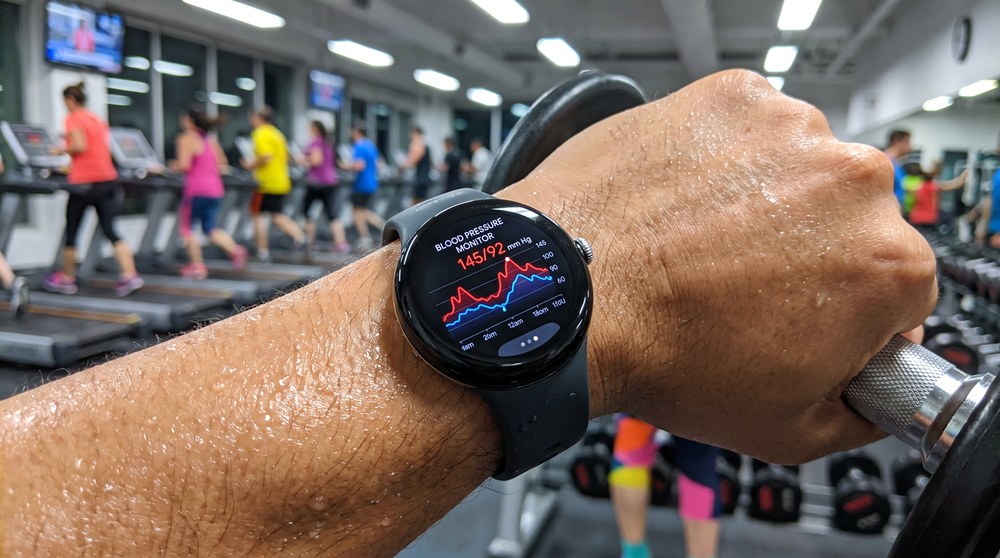
The Wearable Ecosystem Focuses On Diagnostics
Google aggressively expanded the hardware ecosystem with the Pixel Watch 5 and the new portable Pixel Tag tracker. The watch pushes the display glass all the way out to the metal edge. It ships with numerous band choices. They even built a Stephen Curry Special Edition. A quick 15-minute battery charge gives you almost a full day of power. The internal biometric sensors track long-term blood pressure trends. They monitor insulin metrics and overall heart health. The watch detects irregular breathing problems and automatically calls for help while sharing your location. These health features will launch first in Europe before expanding globally. The new Fitbit Air inherits these exact same diagnostic features. The watch provides active advice on how to get the most out of your gym equipment. It does better route tracking to triangulate your position when GPS satellites are occluded. It easily outperforms both the Apple Watch and the Garmin Pro watch. I recently visited an indoor go-kart racing venue here in Bend, Oregon. I logged a personal best lap time of twenty-three seconds. The biometric sensors on my wearable tracked the massive adrenaline spike flawlessly. They paired this new hardware with the Pixel Buds Pro 2. The earbuds detect when you fall asleep and automatically pause your audio stream. These wearables actively manage your physical health instead of just logging data.
The Cross-Platform Software Breaks Down Ecosystem Walls
Google made it painfully simple to migrate away from iOS. A new software utility moves your legacy data between platforms smoothly. Group chats work far better between the devices without any annoying-colored bubble limitations. Location sharing runs natively through Google Maps across both major platforms. Quick Share now moves massive files directly to MacBooks and iPhones. The world’s top European football teams are actively moving to the Pixel platform. Google expects this massive sports partnership to dramatically improve how fans experience the game. Google built a digital bridge straight into the walled garden.
Wrapping Up
The tech industry finally realized that the most advanced mobile device is the one you never actually have to look at. Do you plan to ditch your heavy protective case for this rugged design? How much daily control are you willing to hand over to an automated background assistant?

- Building the Ultimate AI-Defiant Workforce: The Future of Work Mega-Platform - September 30, 2026
- The AI Tipping Point: How AMD’s MLPerf 6.1 Results Signal the End of Nvidia’s Monopoly - September 29, 2026
- AMD Achieves Datacenter Compute Power At IFA 2026, but Local Production Scaling Remains Difficult - September 28, 2026