
I track these industry shifts from my home office here in Bend, Oregon. I serve as the Trustee for a shopping center-owning trust (or did). Recently, I finalized the official closing date for the shopping center we held in Tustin, California. Selling that physical asset was a highly calculated move. You look at market fundamentals to decide when to hold an asset and when to liquidate it entirely. My grandfather shared a specific historical anecdote with me about market momentum. He taught me that when a crowd runs blindly in one direction, the smartest people step off the path entirely. I saw this dynamic firsthand working as a Competitive Market Analyst at IBM during the 1980s. I later watched Louis Gerstner eventually restructure the entire organization because the old revenue models no longer worked. Tech companies today are building their corporate foundations on entirely unstable ground.
I ran electric go-karts at the K1 Speed track in Bend back in February. I managed to record a personal best lap time of 23 seconds (which sounds fast, but sadly wasn’t). Electric karts deliver maximum torque instantly, throwing you into the back of your seat the second you touch the pedal. The artificial intelligence market behaves the exact same way. The sector hit maximum financial velocity overnight. The underlying problem with instant torque is how quickly it drains the available energy reserves.
Circular Capital Injections Prohibit Organic Revenue Growth
NVIDIA dominates the hardware landscape for machine learning. They also invest heavily in software startups like OpenAI. Those startups take that venture capital and immediately place massive orders for NVIDIA servers. The money moves from the investor right back to the investor. It looks like organic revenue growth on a quarterly balance sheet. It is actually a closed ecosystem propped up entirely by circular funding. The Atlantic outlined this severe disconnect recently, detailing how the AI economy and the stock market operate completely outside traditional financial reality. Investors essentially buy their own hardware. The software startups burn through cash to train massive data models. The hardware vendors report record corporate profits. The end consumer barely pays enough subscription fees to cover the electricity costs of the server farms. The house always wins until the players run out of chips.
The Dot-Com Collapse Serves As The Only Accurate Historical Blueprint
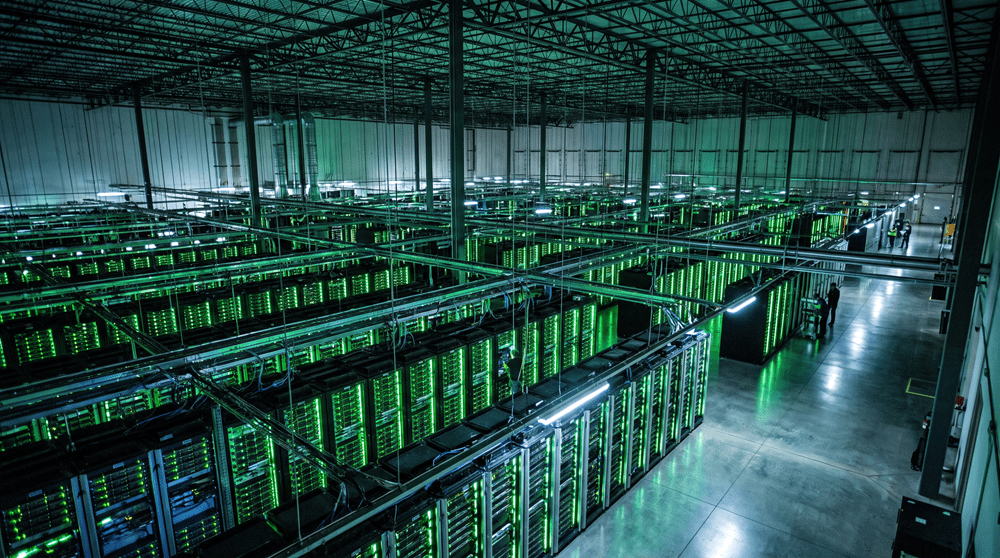
Financial analysts frequently compare our current tech inflation to the 2008 financial crisis or the Great Depression. The 2008 crisis was built on fraudulent mortgage-backed securities and toxic consumer debt. The Great Depression was triggered by systemic bank failures and agricultural drought. Neither of those historical events mirrors the specific mechanics of the current technology sector. The .COM collapse of the early 2000s is the only accurate historical blueprint for our current situation. During the dot-com era, venture capitalists funded any company holding a registered website. Today, the money flows to any startup brandishing a large language model. In the late 90s, companies bought excess server capacity they never managed to use. Today, companies hoard massive amounts of graphics processing units.
We simply traded domain names for neural networks.
I attended the HP Imagine 2026 event in New York this past March to review new edge computing portfolios. Hardware manufacturers understand that centralized cloud processing is becoming prohibitively expensive. They are actively pushing compute tasks to local edge devices. This hardware shift directly undercuts the massive central server farm model that currently drives peak AI valuations.

Enterprise Pilot Programs Will Trigger The Coming Market Correction
The burst is projected to occur within the next 24 months. Enterprise IT departments are currently running pilot programs for various AI software agents. Industry data suggests that a massive percentage of these tools will fail to deliver a tangible return on investment. Chief Financial Officers will eventually audit these software licenses. They will look at the massive monthly subscription fees. They will realize their employees are not producing proportionally higher revenue. The enterprise contracts will not be renewed. The startups will lose their recurring revenue and cancel their subsequent hardware orders. The primary chip manufacturers will suddenly face massive revenue shortfalls. Stock prices will correct violently. Individual retail investors holding index funds heavily weighted toward the tech sector will take the hardest financial hits. The math always catches up to the magic.

Strict Procurement Rules Shield Corporations From Sector Volatility
Corporate IT buyers must demand strict performance metrics right now. Do not sign multi-year agreements for experimental machine learning platforms. Keep your software vendor contracts short. Insulate your core corporate data from external processors. Individual investors should evaluate their portfolio exposure to the major silicon vendors. The current market valuations are mathematically unsustainable over a standard five-year timeline. Take profits today if you hold significant positions in the primary chip manufacturers. Reallocate those funds into boring, stable sectors. Companies need to build local, air-gapped data centers for their most critical network operations. Immediately turning off the power destroys volatile memory, which remains a highly solid physical security measure against external software threats.
Do not trust your corporate survival to a vendor burning through venture capital.
Wrapping Up
The artificial intelligence revolution will ultimately survive its own financial collapse, leaving behind a scarred landscape of bankrupt startups and heavily discounted enterprise hardware. This column explored the dangerous circular funding models inflating tech valuations today. We examined why the dot-com crash provides the most accurate historical map for the incoming market correction. We also outlined strict procurement strategies for corporate IT departments aiming to survive the impending fallout. Have you noticed any AI tools failing to deliver on their initial productivity promises at your workplace? What specific hardware investments are you delaying until this market properly corrects?

- Desktop AI: Why the Hardware Built for Tomorrow Is Finally Finding Its Real-World Job Today - October 9, 2026
- Building the Ultimate AI-Defiant Workforce: The Future of Work Mega-Platform - September 30, 2026
- The AI Tipping Point: How AMD’s MLPerf 6.1 Results Signal the End of Nvidia’s Monopoly - September 29, 2026