In short not really. Lenovo has the leading worldwide market share in the PC market. They have been, both from a share and longevity standpoint, the leader in 2-in-1 PCs for well over a decade. This, I expect, is why folks may be concluding that Microsoft’s new Surface product line may represent a huge problem for Lenovo. But Lenovo isn’t the target of Microsoft’s effort. Apple is the target, and we have yet to see Lenovo’s new consumer and corporate lines which are expected to be far more in-line with the Surface products than its existing lines are.
Let’s talk about this.
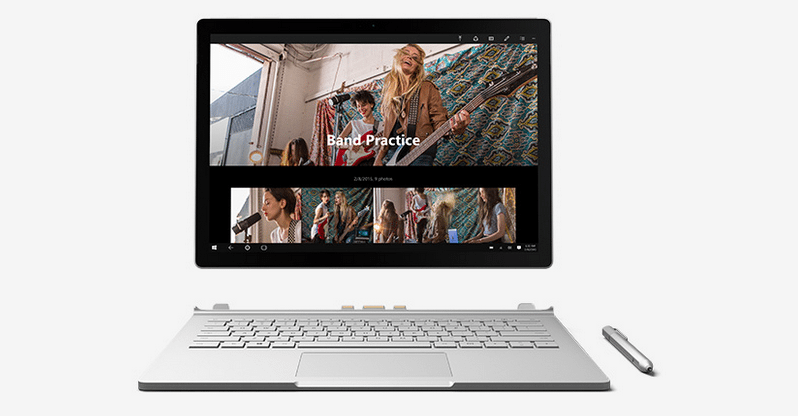
Surface Pro 4 and Surface Book
It is easy to get excited about these two new products. They are brilliant. The line was specifically created to address the threat that the iPad in particular and Apple in general represented in business and this threat became more pronounced recently when Apple partnered with IT giants Cisco and IBM (IBM was the company that effectively carried Microsoft into the Enterprise and likely created the most concern for Microsoft).
When iPads largely failed to do the job Apple created the iPad Pro but it was still based on iOS which wasn’t Apple’s professional platform. That was the MacOS and what was happening was that folks often started with an iPad and ended up with a MacBook Air. Since the iPad Pro is also based on iOS Microsoft felt they could better position Surface, now in its 4th version, as an iPad Pro like device but with a professional OS not a consumer OS.
Realizing there was an additional risk that professionals, engineers, animators, and architects were favoring the MacBook Pro they created the Surface Book to move against that risk. In both cases the result was a highly packaged, beautifully executed, product targeted at a specific customer opportunity and sold both through Microsoft stores and through partners Dell and Accenture (to offset Cisco and IBM).
Lenovo
For the most part the PC OEMs haven’t been that effective competing against Apple. Apple’s strategy is a few non-overlapping products mostly focused on people that create. The PC OEMs instead tend to focus on the broad market and create equally broad lines that touch virtually every work case. Lenovo has been building 2-in-1s long before we called them 2-in-1s and they have been so effective in the market that they have been able to overtake HP from behind to lead the market. It is across retail broadly worldwide and has its own dedicated enterprise sales channels.
It is also a long time Microsoft partner and it is unlikely that Lenovo will position against Microsoft or that Microsoft will position against it. Their lines are dedicated and compartmentalized with ThinkPads targeting business and lines like Yoga targeting consumers. While there will be some overlap between Microsoft and Lenovo it is expected both companies will try to stay out of the other’s way as much as possible. Microsoft isn’t Lenovo’s focus and Lenovo is a Microsoft customer.
Finally, we have yet to see the new Fall lines from Lenovo and it has the same core technology sources like Intel Skylake that Microsoft does and is held to the same constraints. It is expected Lenovo’s new offerings, based on these technologies, will hit the market in the same time period as Microsoft’s.
Wrapping Up
While it is likely clear Lenovo would rather Microsoft not build PCs the fact is that both companies are mostly focused on different opportunities. Microsoft is focused on providing solutions to users and companies that might otherwise buy Apple and has created a powerful Apple like product line to address this. Lenovo remains a more traditional PC company with broad lines and it will likely continue to focus on taking share from real competitors like HP. In the end this is less about Microsoft competing with Lenovo and more about how Microsoft can address the Apple threat. As a result, Lenovo should be just fine.

- Motorola Edge 70 Plus Achieves Massive Battery Life but the Launch Exposes Dell’s Historic Mobile Collapse - September 21, 2026
- Meta Finalizes Massive Teen Addiction Settlement, but Proposed App Restrictions Make Kids Less Safe - August 28, 2026
- The Aftermath of Corporate Overexpansion - August 25, 2026