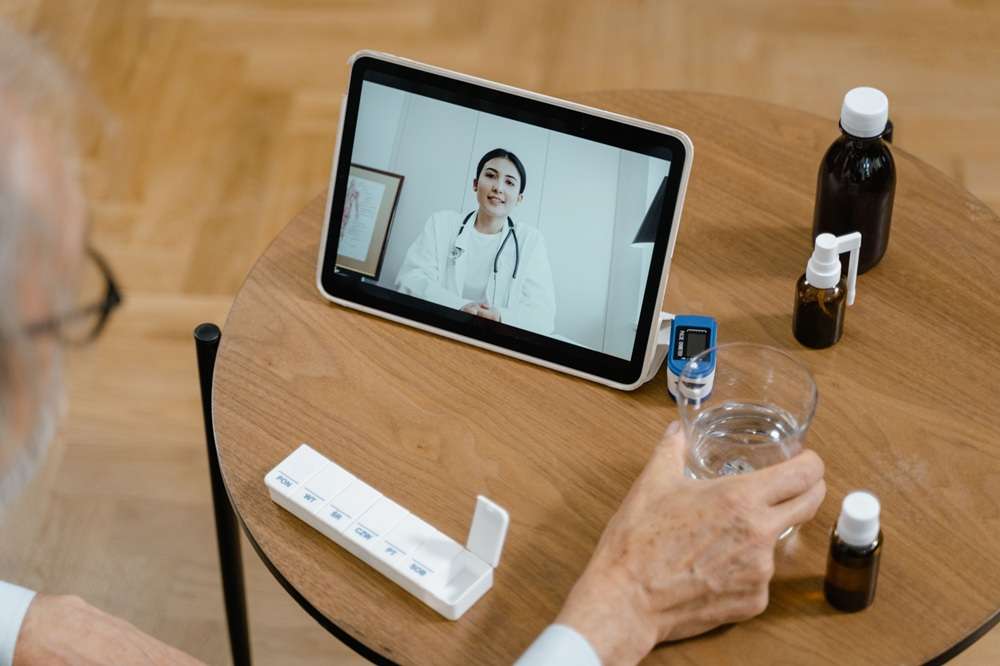
As populations age across the globe, the demand for innovative approaches to senior care continues to grow. Families, caregivers, and healthcare providers are seeking solutions that promote independence while ensuring safety and well-being. Smart technology has emerged as a powerful force in meeting these needs, creating what can best be described as a digital safety net. By combining real-time monitoring, data analysis, and user-friendly design, modern tools are redefining how older adults live, receive care, and stay connected to the world around them.
The Rise of Smart Monitoring Systems
One of the most significant advancements in senior care technology is the development of smart monitoring systems. These tools go beyond traditional emergency alert buttons, offering continuous, non-invasive observation of daily activities. Motion sensors, wearable devices, and smart home integrations can detect unusual patterns, such as a missed meal, prolonged inactivity, or a fall.
Unlike older, reactive solutions, these technologies provide proactive insights. Caregivers and family members receive alerts before a situation escalates into an emergency. For seniors living independently, this means greater autonomy supported by a safety infrastructure that operates quietly in the background. The ability to intervene early can prevent hospitalizations and improve overall quality of life.
Enhancing Health Management Through Connected Devices
Healthcare management has also evolved through connected technology. Smart devices now allow seniors to track vital signs such as heart rate, blood pressure, glucose levels, and sleep quality from the comfort of their homes. These devices can automatically share data with healthcare providers, enabling more accurate and timely medical decisions.
Telehealth platforms further expand access to care, reducing the need for frequent in-person visits. Seniors can consult with physicians, adjust medications, and receive guidance without leaving their homes. This accessibility benefits individuals with mobility challenges or those living in rural areas.
The integration of artificial intelligence adds another layer of sophistication. Predictive analytics can identify trends in data and signal potential health concerns before symptoms become severe. This shift toward preventative care supports longer, healthier lives and reduces strain on healthcare systems.
Supporting Cognitive Health and Memory Care
Technology also plays an essential role in addressing cognitive decline, a major concern for aging populations. Smart applications and devices are designed to support memory, routine, and daily functioning. Digital reminders can prompt individuals to take medication, attend appointments, or complete tasks, helping maintain independence for longer periods.
In more specialized environments such as assisted living and memory care, advanced technologies are tailored to support residents with dementia or Alzheimer’s disease. GPS-enabled wearables help prevent wandering, while personalized content systems provide cognitive stimulation through music, photos, and interactive activities. These tools create a safer and more engaging environment, improving both emotional and mental well-being.
Caregivers also benefit from these innovations. Access to real-time data and behavioral insights allows for more personalized care strategies, ensuring that each individual’s needs are met with precision and compassion.
Improving Social Connection and Emotional Well-Being
Loneliness and social isolation are significant challenges for many seniors, particularly those who live alone or far from family. Smart technology helps bridge this gap by making communication more accessible and intuitive. Video calling platforms, voice-activated assistants, and simplified messaging apps enable seniors to stay in touch without requiring advanced technical skills.
Voice-controlled devices are especially impactful. Seniors can make calls, send messages, play music, or access information using simple spoken commands. This ease of use removes barriers to digital engagement and fosters a sense of empowerment.
Additionally, virtual communities and interactive platforms allow older adults to participate in group activities, classes, and events remotely. Whether it is attending a virtual book club or joining an exercise session, these opportunities encourage active participation and reduce feelings of isolation.
Creating Safer Living Environments Through Smart Homes
Smart home technology has transformed the physical living environment for seniors, making it safer and more adaptable. Features such as automated lighting, smart thermostats, and voice-activated controls reduce the need for physical strain and minimize hazards.
For example, motion-activated lighting helps prevent falls during nighttime movement, while smart appliances can shut off automatically to avoid potential accidents. Door sensors and security systems provide additional layers of protection, giving both seniors and their families peace of mind.
These systems are often customizable, allowing individuals to tailor their environments based on personal needs and preferences. As a result, seniors can maintain a sense of ownership over their living spaces while benefiting from enhanced safety features.
The Role of Data in Personalized Care
Behind many of these innovations lies the power of data. Smart technologies collect and analyze information to create a detailed picture of an individual’s habits, health, and preferences. This data-driven approach enables highly personalized care plans that adapt over time.
For caregivers and healthcare providers, access to accurate data supports more informed decision-making. Patterns in behavior or health metrics can reveal subtle changes that may otherwise go unnoticed. Early intervention becomes more achievable, leading to better outcomes and improved quality of care.
At the same time, privacy and security remain critical considerations. Developers and providers are increasingly focused on ensuring that sensitive information is protected through encryption and secure data management practices. Balancing innovation with ethical responsibility is essential to maintaining trust and effectiveness in these systems.
Conclusion
Smart technology is reshaping the landscape of senior care, offering solutions that prioritize both independence and safety. From real-time monitoring and health management to social connection and personalized living environments, these innovations form a comprehensive digital safety net. As technology continues to evolve, its potential to enhance the lives of older adults will only expand, creating a future where aging is supported by intelligent, compassionate, and adaptable care systems.

- Most Cyberattacks Succeed Long Before the Malware Arrives - August 26, 2026
- The Sensors Changing Aviation From the Inside Out - August 17, 2026
- The Digital Safety Net: How Smart Technology Is Transforming Senior Care - June 25, 2026