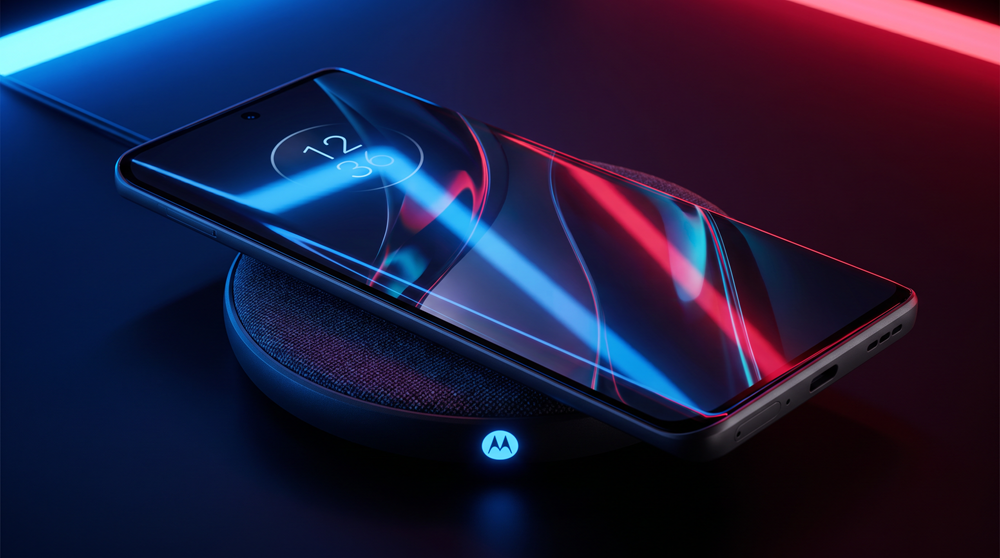
Lenovo unveiled the Motorola Edge 70 Plus and a bunch of other cool personal products at IFA 2026. The new device features a 200-megapixel camera. This aggressive product launch demonstrates exactly how Lenovo successfully rescued a dying smartphone brand.
Lenovo Rebuilt Motorola from the Ground Up
Google originally purchased Motorola Mobility back in 2011 to shore up their legal defenses. They paid a staggering $12.5 billion for the mobile manufacturing pioneer. The search giant primarily wanted the massive patent portfolio to protect their Android operating system from aggressive lawsuits. They showed very little genuine interest in actually building premium hardware for end users. Google subsequently gutted the company from the inside out. They stripped out the valuable patents. They completely abandoned the advanced hardware division. Motorola was bleeding cash heavily during this dark period. The division reported hundreds of millions of dollars in operating losses quarter after quarter. The entire brand looked completely unsalvageable to outside observers.
Lenovo stepped in during 2014 to salvage the wreckage. They purchased the battered hardware division for $2.91 billion in a highly scrutinized acquisition. Many industry analysts thought Lenovo made a fatal engineering error by taking on such massive debt. Lenovo had to rebuild the entire product pipeline from the ground up. They leveraged their massive PC supply chain to negotiate better component prices across the board. They kept the engineering teams strictly focused on the consumer experience. They treated the smartphone like a daily-driver sports car rather than a sterile enterprise tool. Lenovo slowly rebuilt the engine of the company over the next decade.

Dell Failed Miserably in the Same Market
We must directly contrast this successful corporate turnaround with Dell. Dell recognized the massive market shift toward mobile devices early on. The company attempted to launch mobile hardware like the highly polarizing Dell Streak in 2010. They fundamentally misunderstood the consumer mobile market entirely. They treated smartphones like corporate desktop computers designed for cubicles. They assumed enterprise IT departments would force employees to buy their clunky devices in bulk.
The consumer market heavily rebelled against this top-down approach. The Dell hardware felt noticeably heavy in the hand during extended use. The software lacked basic user optimization. Dell provided thick plastic bezels instead of sleek edge-to-edge glass. The company completely failed to secure meaningful wireless carrier partnerships to subsidize the retail costs. They quickly abandoned their entire mobile strategy after facing initial headwinds. Dell retreated safely to their core enterprise server business. They left billions of dollars in potential consumer revenue on the table for competitors to snatch up. Lenovo took the exact opposite approach with their acquisition. Lenovo deeply respected the consumer legacy of the Motorola brand.

The Edge 70 Plus Packs Massive Hardware
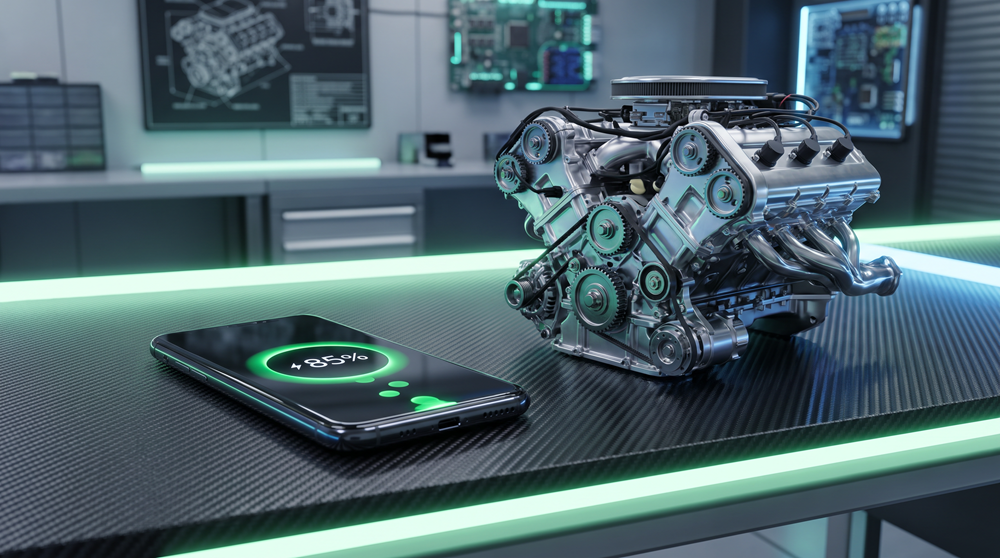
The new Motorola Edge 70 Plus functions exactly like a long-range electric vehicle. It houses a massive 6500mAh battery within the chassis. This high-density power cell allows users to stream high-definition video for up to 34 hours on a single charge. Users can scroll on social media platforms for 23 hours straight without hunting for a wall outlet. The device supports 45W TurboPower charging for rapid energy top-ups. This acts exactly like a DC fast charger for a modern EV. You plug in for a quick fifteen minutes to get enough range to easily finish your busy day.
Gamers can utilize the integrated bypass charging system to run the phone directly from the wall outlet. This specific feature routes electrical power directly to the motherboard. It completely bypasses the battery during heavy usage scenarios. This prevents the rapid chemical degradation caused by simultaneous charging and high heat generation. The phone uses an advanced vapor chamber cooling system to actively manage these intense thermal loads. This represents the exact same thermal management logic used in high-end electric sports cars during aggressive track days. The entire system runs smoothly on the highly efficient Snapdragon 7s Gen 3 Mobile Platform. Lenovo paired this capable processor with 8GB of LPDDR5X memory to prevent bottlenecking.
Big engines require serious thermal management to prevent a total meltdown.
Lenovo Focuses Heavily on Exterior Design
The exterior finishes show a highly mature design language from the engineering team. Lenovo partnered directly with the Pantone Color Institute to create unique visual identities for the handset. They offer a Milky Blue leather-inspired finish for a soft tactile feel. They provide a Mountain View green silk-inspired option. Buyers can select a Gray Lilac acetate finish for a more traditional look. They also offer a muted Pantone Sage green variant.
The primary display utilizes a quad-curved 6.78-inch Extreme AMOLED panel. This curved glass elegantly smooths out every sharp edge on the outer chassis. It slides effortlessly into a tight pocket without snagging on the fabric. The screen features a rapid 144Hz refresh rate to eliminate distracting motion blur during fast action. The main rear camera module houses a massive 200-megapixel sensor for extreme detail capture. This primary lens features advanced optical image stabilization to counteract hand tremors. It provides 10x Super Zoom capabilities to pull distant subjects closer. Pushing that many raw pixels requires massive computational horsepower. The Snapdragon processor easily handles the complex image signal processing without stuttering. It uses an AI-powered Photo Enhancement Engine to automatically pull hidden details out of dark shadows. The front-facing camera uses a sharp 32-megapixel sensor for video calls. The device automatically switches to a wider group mode when the user rotates the phone horizontally. Lenovo smartly covered the display in Corning Gorilla Glass 7i to prevent disastrous shattering during concrete impacts.
Lenovo Expands the Accessory Ecosystem
Lenovo also introduced the Moto Watch Ultra at the crowded IFA 2026 event. The wearable features a sharp 1.5-inch OLED display. This screen reaches an impressive 2700 nits of peak brightness. You can read the display text easily under direct mid-day sunlight without squinting. The device incorporates integrated LTE eSIM functionality to operate completely independently from the host phone. You can confidently leave the heavy phone at home during a marathon training run. You can still stream your favorite music directly to your connected wireless earbuds. You can conveniently tap to pay at a local coffee shop using Google Wallet.
The watch runs smoothly on Wear OS by Google. Motorola partnered directly with Polar to deeply integrate advanced fitness tracking algorithms into the software. Users receive detailed telemetry on their nightly sleep stages. The software actively tracks autonomic nervous system recovery overnight to measure true restfulness. It measures exactly how your body burns different fuel sources during an intense workout. Lenovo built the robust watch body out of thick 46mm stainless steel. This gives the device a heavy, premium feel on the wrist compared to cheap plastic alternatives. They topped the display with scratch-resistant Corning Gorilla Glass 3 to prevent shattering. The watch confidently carries a robust 5ATM water resistance rating for swimming.

Motorola Delivers Intelligent Charging Solutions
The Moto Snap wireless charger effectively rounds out the new hardware announcements. It delivers rapid 25W charging speeds on all compatible Qi2 devices. Supported Motorola hardware can impressively pull up to 30W using a proprietary internal protocol. The charger features exceptionally strong magnetic alignment to guarantee a highly secure physical connection every time. Lenovo engineered the device with an impressive zero standby power consumption rating. It includes built-in physical overheat protection hardware to prevent thermal runaway. It works completely seamlessly with compatible magnetic phone cases.
Motorola Projects a Serious Competitive Threat
Samsung currently heavily dominates the premium Android pricing tier. Apple firmly controls the broader global premium market. Both legacy companies rely heavily on minor iterative software updates each year to drive sales. Motorola is forcefully bringing brute-force hardware to the fight. They are aggressively offering significantly larger internal batteries. They are pushing much faster display refresh rates than the competition. Industry data suggests consumers are actively holding onto their expensive devices much longer. Buyers absolutely demand massive batteries to effectively stretch their upgrade cycles. The Edge 70 Plus directly answers this specific consumer demand. The global market is completely projected to reward this aggressive hardware strategy.
Lenovo is also rapidly building robust artificial intelligence integrations across its lineup. The deep integration of Google Gemini Live provides a highly functional AI assistant natively on the phone. Lenovo intelligently built its proprietary Motorola Qira software directly into the new watch. This allows completely seamless data retrieval across all connected Lenovo devices. You simply raise your wrist to ask a complex question. The watch actively pulls the saved information directly from your laptop memory banks. I test complex automotive infotainment systems constantly. Connecting devices across different operating platforms remains the absolute hardest engineering challenge to definitively solve. Lenovo seems uniquely positioned to successfully bridge the gap between desktop workstations and mobile hardware.

Wrapping Up
The smartphone industry mistakenly believed hardware innovation peaked, yet Lenovo proved that massive power reserves combined with connected hardware can completely shatter market stagnation. Lenovo brought serious computing power to IFA 2026 with the Edge 70 Plus. They delivered massive battery capacities to cure range anxiety while integrating advanced Polar health tracking into the Moto Watch Ultra. They also built a cohesive hardware ecosystem utilizing the Moto Snap charger. Impressive work!

- Motorola Edge 70 Plus Achieves Massive Battery Life but the Launch Exposes Dell’s Historic Mobile Collapse - September 21, 2026
- Meta Finalizes Massive Teen Addiction Settlement, but Proposed App Restrictions Make Kids Less Safe - August 28, 2026
- The Aftermath of Corporate Overexpansion - August 25, 2026