When Igor Proestakis proposed a faster way to drill down to 33 miners trapped in Chile’s San José mine in 2010, he chose a tool that had never been used for a hole that deep or that steep, and part of the reason he chose it was the way it would fail. The tool was built from many small parts, and any piece that snapped off would fall through the pilot hole into the mine instead of jamming the hole and stopping the work.
That drilling effort is a big part of the story told in National Geographic’s new three-part series, Chilean Mine Rescue: Race Against Time, and I had a chance to put some questions to Proestakis about what it took to reach the miners and what has changed since.
On Aug. 5, 2010, a collapse at the San José copper-gold mine in Chile’s Atacama Desert sealed 33 men nearly half a mile below the surface. For 17 days they were presumed dead, and it took 69 days in all to bring them out, by which point an estimated one billion people were watching the rescue live. The series, from Blast Films, follows the story from the collapse itself through the fame and the lasting toll that came after the men were brought out.

Plan A Would Have Taken Most of a Year
Proestakis was 24 when he got to the mine and found a drilling effort already underway. That approach, later known as Plan A, used a Strata 950 raise-boring machine. He said it was the standard tool for a hole of that size and the first thing most people in the industry would think of, but it was very slow. By his estimate, Plan A could have taken eight or nine months, or maybe a year, to get the miners out.
What he proposed became Plan B. It used a cluster hammer, a large drilling tool with many smaller hammers inside it that had only been used on shallow, mostly vertical holes. This job meant going more than 600 meters at roughly a 70-degree angle, widening a pilot hole that had already reached the miners.
Proestakis said parts of the hammer broke many times during the drilling, and because those pieces would “end up in the bottom of the mine, not in the drill hole,” the crew was able to keep going each time. Plan B broke through on Oct. 9, 2010.
Keeping One Hammer Ready at All Times
When I asked how the team balanced urgency against the risk of a catastrophic mistake, Proestakis talked mostly about personal sacrifice. He worked alongside the crew from Center Rock, the Pennsylvania company that supplied the hammers, and they kept one cluster hammer in maintenance while another was drilling, so there was always one ready to go. That often meant maintenance work at two or three in the morning and very little sleep.
He also stayed at the site for the entire drilling effort. “I never went back home for the 39 days,” he said.
Proestakis and the drilling crews kept up that pace for more than five weeks, knowing the whole world was watching and that 33 men were waiting at the other end of the hole. Families of the trapped men were camped near the mine through the same stretch, and the series includes interviews with them as well as with the rescuers.
Testing Several Rescue Capsules
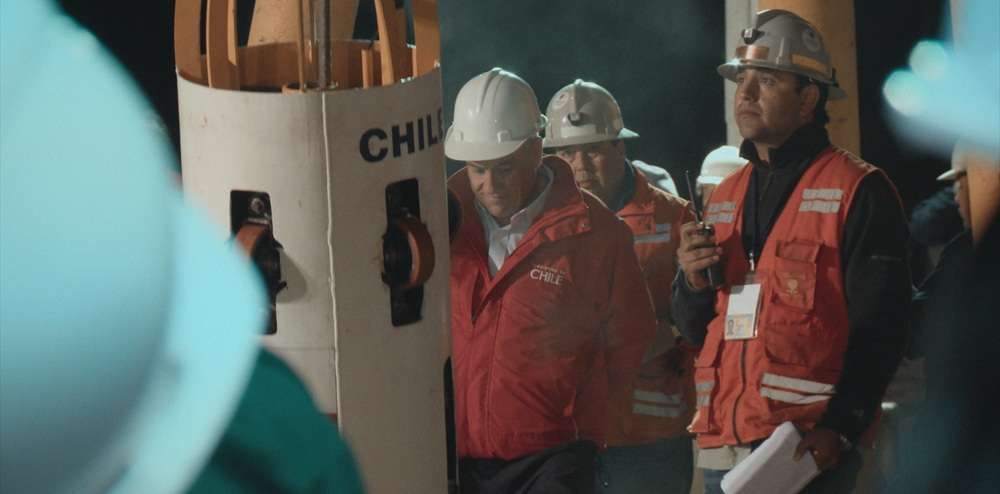
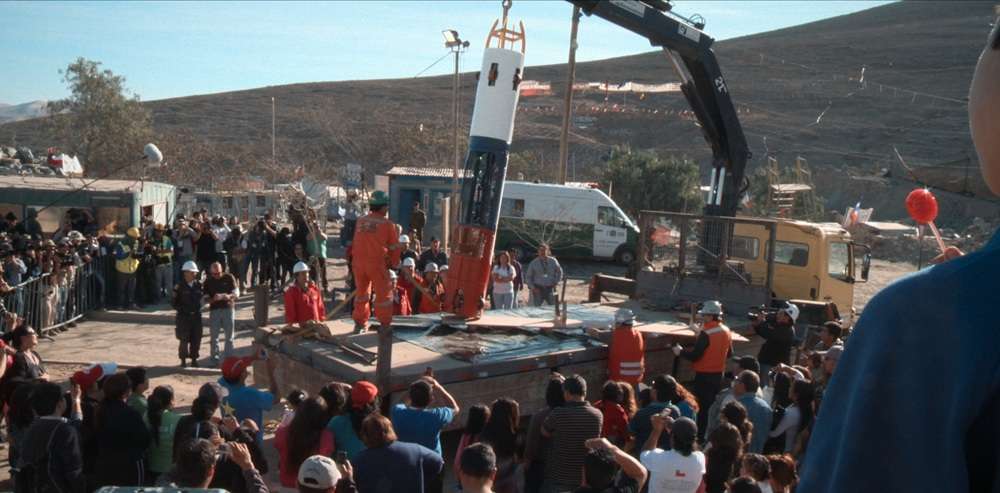
Most people remember a miner coming up out of the ground in the rescue capsule. Proestakis, who was there when the capsules were delivered, said the team had three or four of them, with different sizes, lengths, and designs. The team tested them on the surface before deciding which one to use. The capsules also had features like a self-rescue winch in case one got stuck on the way up.
Mine Safety in Chile Since the Rescue
Proestakis still works in the drilling business. He runs his own company and provides technical support at job sites across the Americas and in China. Of all the places he works, he said Chile is the top country for mine safety, and he considers the rescue the turning point that made safety a top priority in the country.
He was also honest that the risk hasn’t gone away, pointing to a smaller mine collapse in Chile a couple of years ago and saying he expects it to happen again. “It’s part of the job, you know.”
Where to Watch Chilean Mine Rescue
According to National Geographic, the series includes never-before-seen cell phone footage the miners shot underground, along with interviews with survivors, families, and rescuers. Six of the miners appear in an international documentary for the first time, and former ABC correspondent Jeff Kofman, the first international journalist on the scene, is featured as well.
Chilean Mine Rescue: Race Against Time premieres Sept. 25 at 8 p.m. EDT on National Geographic, with all episodes streaming next day on Disney+ and Hulu.

- What It Took to Drill Down to 33 Trapped Miners - September 25, 2026
- Rebuilding Identity Security From Scratch for the Age of AI Agents - September 21, 2026
- Moving Past Indicators Toward Behavior - September 9, 2026