IFA Berlin serves as a strange battlefield for heavy compute hardware. The Internationale Funkausstellung Berlin operates as one of the oldest industrial exhibitions in Germany. It targets a massive consumer demographic. Industry data suggests the trade show consistently pulls in roughly 180,000 visitors. Most of those attendees walk the floor looking for smart refrigerators or ultra-thin televisions. You expect to see consumer electronics dominating the booth spaces.
AMD decided to use this specific backdrop to announce a slate of highly technical developer tools. They effectively brought a heavy-duty sledgehammer to a consumer gadget show. The complete details of this pivot can be reviewed in the official IFA 2026 AMD opening keynote release.
AMD pushes the Ryzen AI Max 400 Series into consumer electronics
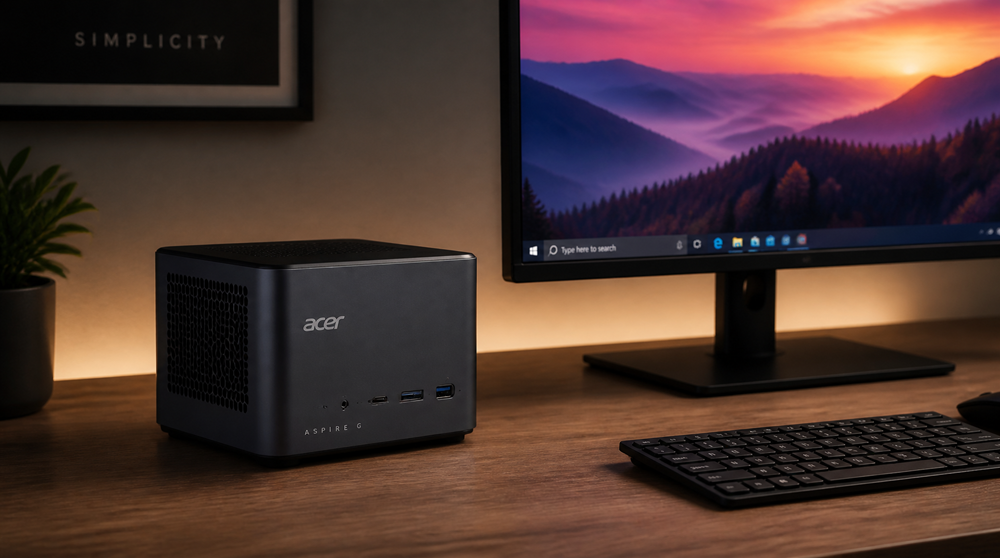
The company showcased concrete hardware partnerships right out of the gate. Acer brought out the Aspire G AGB110 mini-PC alongside the Aspire G 3D 16 notebook. Both machines are powered by the new AMD Ryzen AI Max 400 Series processors. Getting heavy AI processing capabilities into a mini-PC chassis requires serious thermal management. You cannot just shove high-wattage silicon into a tiny box. Acer managed to build a compact footprint that still delivers the necessary neural processing unit performance. It is the equivalent of dropping a massive block engine into a lightweight hatchback. You get raw power in an incredibly small footprint.
Lenovo followed up with a barrage of enterprise machines. They introduced the ThinkCentre X Ultra and the ThinkCentre M75s Gen 6 for desktop users. They also revealed the ThinkCentre M75q Gen 6 and the IdeaPad Slim 3 for the broader commercial market. All of these units run on the same AMD Ryzen AI Max 400 Series architecture. We are looking at a coordinated flood of local AI compute hitting the market simultaneously. These companies are not just showing concept renders. They are getting rubber on the road while competitors are still drawing blueprints.
Microsoft software integration solves the initial configuration headache
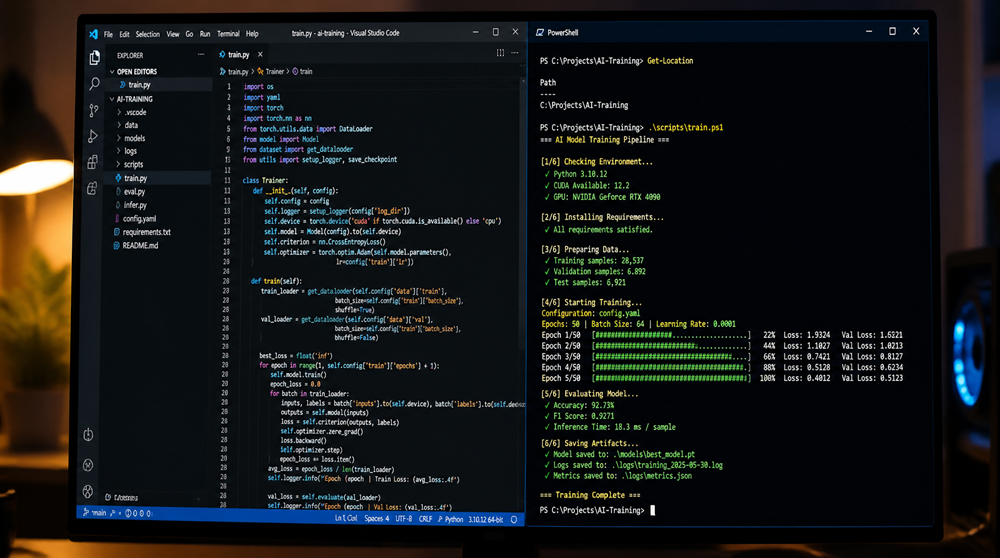
Hardware means nothing if developers refuse to write software for it. The new AMD Ryzen AI Halo systems will support Microsoft’s Project Zenith out of the box. This brings a completely new Windows developer experience optimized for high-performance devices. Setting up a local environment for machine learning usually involves hours of chasing broken dependencies. Developers hate wasting time configuring driver stacks.
Project Zenith comes preinstalled with Visual Studio Code and natively supports the Windows Subsystem for Linux. It also features the GitHub Copilot CLI alongside PowerShell right on the primary drive. This package is specifically designed to streamline local AI development. A developer can unbox the machine and immediately start writing code. They do not have to fight the operating system to get their environment working. I have spent decades watching hardware companies launch brilliant chips with terrible software support. By shipping systems with Zenith preconfigured, AMD bypassed the software valley of death.
Eliminating setup friction drives developer adoption faster than benchmark scores.
Threadripper Halo Station prototypes deliver massive local performance
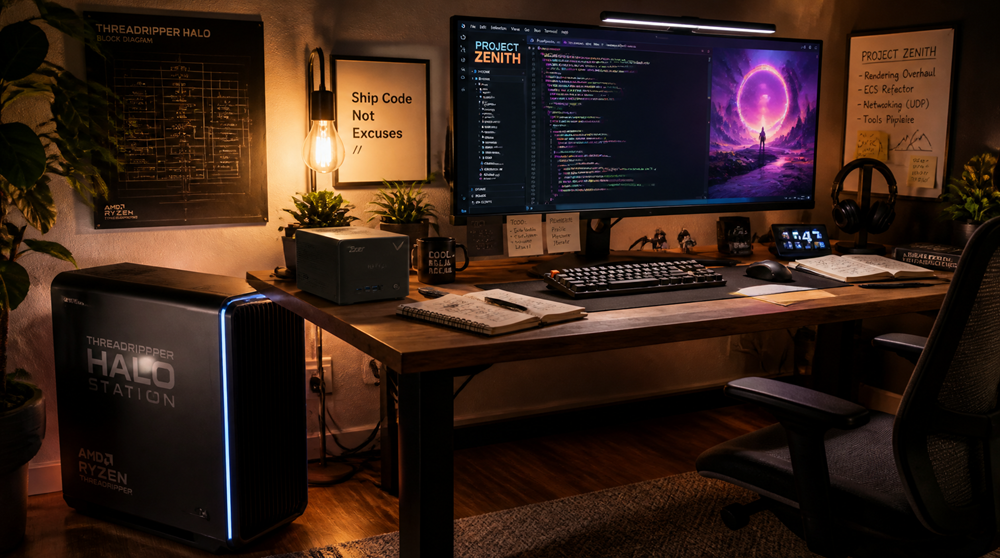
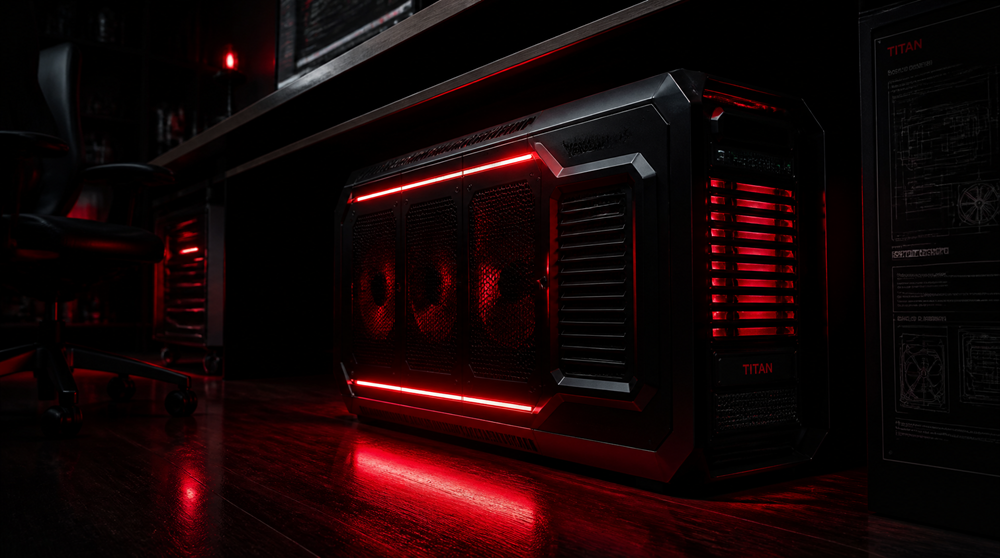
The most aggressive piece of hardware on the floor was the AMD Threadripper Halo Station. This is a prototype system developed specifically to bring datacenter-class AI compute to a standard desk workstation. AMD combined a Ryzen Threadripper PRO 9995WX with dual Instinct-class accelerators in a single chassis. The performance numbers here are projected to rival small cloud server racks.
This machine lets developers train massive AI models and fine-tune them locally. They can execute heavy workloads without dealing with internet lag. Moving large datasets up to a cloud server costs both time and capital. Doing that work locally on dual Instinct accelerators changes the financial math for development studios. The thermal output of this prototype is expected to be significant. You have to move a massive amount of air to keep that silicon from throttling under load.
That kind of hardware footprint usually requires a dedicated server room.
SUSE provides the bridge to secure enterprise deployments
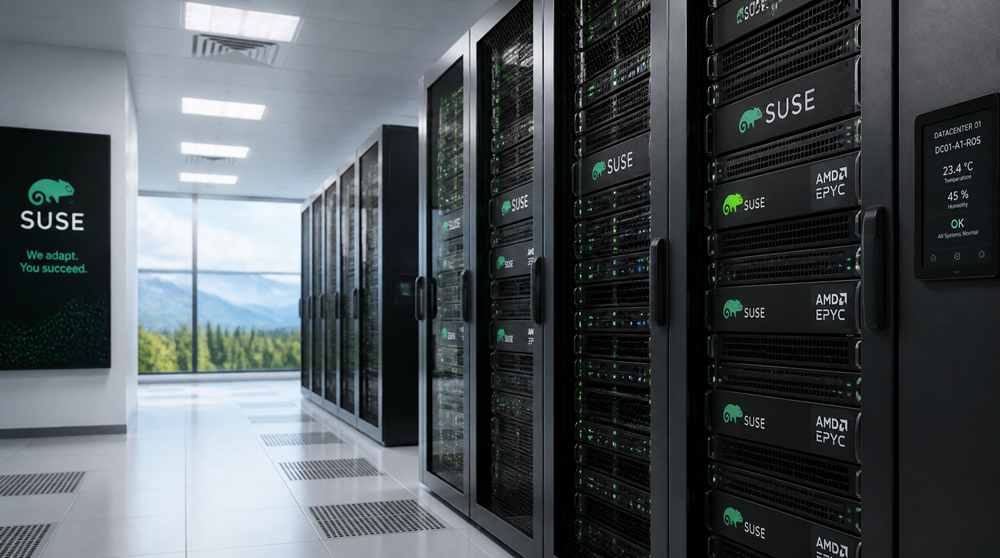
Building a model on a local workstation represents only half the battle. You eventually have to push that application into the real world. AMD and SUSE announced a major collaboration at the show to solve this exact problem. They partnered to help developers move AI applications from local development directly into secure enterprise production environments at scale.
Moving from a local test bench to a wide-scale deployment often breaks applications. Different security protocols get in the way. The SUSE collaboration creates a supported pathway to scale these local projects. Enterprise IT departments demand strict security audits before they let an application touch their production servers. SUSE provides the framework to satisfy those security requirements while maintaining the performance of the AMD hardware. It works like a heavy-duty transmission. It takes the raw horsepower of the local engine and safely delivers it to the enterprise wheels.
AMD leadership avoids the artificial intelligence hype trap
This entire keynote highlights how the current leadership team operates. We are living through a massive hype cycle regarding generative computing. Companies routinely issue press releases promising magic solutions that will not exist for several years. They sell market speculation based entirely on vaporware.
AMD operates differently. The leadership group focuses strictly on executable deliverables. They announce a product when they have a working prototype ready to show. They build partnerships with companies like Microsoft to ensure the software actually works on their silicon. They perform incredibly well during this time of relative economic uncertainty because they do not overpromise. They keep their heads down and engineer actual products. I have watched semiconductor companies self-destruct by promising the moon and delivering a rock. AMD is aggressively attacking the AI sector. They are simply refusing to participate in the associated circus.
Wrapping Up
Owning the hardware layer is useless unless you actively pave a frictionless software road for the developers who actually build the applications. AMD fundamentally changed the local AI development landscape at IFA 2026 by combining massive Threadripper compute power with seamless Microsoft Project Zenith integration and secure SUSE deployment pathways. They bypassed the cloud and put the datacenter directly on the developer’s desk.
Are you currently paying steep cloud fees for your AI development workloads? Would a local Threadripper workstation change how your team handles data privacy during model training?

- AMD Achieves Datacenter Compute Power At IFA 2026, but Local Production Scaling Remains Difficult - September 28, 2026
- Motorola Edge 70 Plus Achieves Massive Battery Life but the Launch Exposes Dell’s Historic Mobile Collapse - September 21, 2026
- Meta Finalizes Massive Teen Addiction Settlement, but Proposed App Restrictions Make Kids Less Safe - August 28, 2026